

Ageing is inevitable — but how we age, and how we feel as we do so, is something we can influence. For me, food has always been at the heart of that.
I grew up in Crete eating what we now proudly call the Mediterranean diet: simple, seasonal, mostly plant-based food, with plenty of olive oil, legumes, vegetables, fruit, honey, nuts, and a little meat or fish when it was available. Back then it wasn’t a “diet” at all — it was just how we lived. But I now realise that this way of eating gave me a foundation for health and energy that I carry with me to this day.
Over the years, I’ve noticed how food not only sustains the body but also nourishes the spirit. When you reach your sixties, like me, you begin to value energy, clarity of mind, and mood just as much as physical health. I’ve found that eating well — plenty of vegetables, pulses, oily fish, whole grains, and of course good extra virgin olive oil — is the best form of self-care. A handful of nuts, a square of dark chocolate, or even a spoonful of real honey can be as much about joy as it is about nutrition.
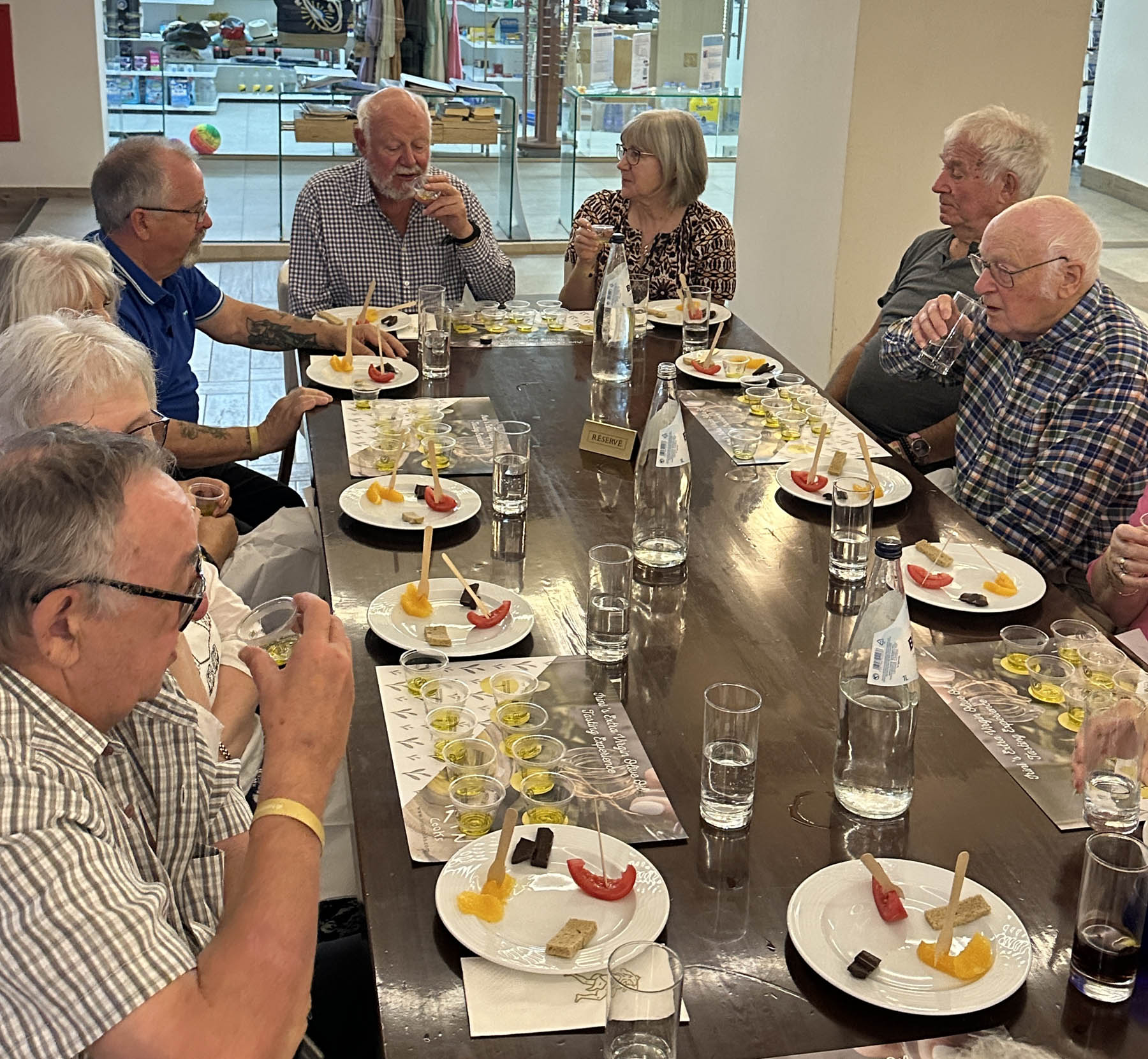
Food also plays a role in keeping us connected. Sharing a table, cooking for others, or even learning a new dish can keep the mind agile and the heart open. Retreats have taught me this too — watching guests, sometimes in their seventies, roll out filo for the first time or master a dish they thought was “beyond them” shows me how food can bring confidence and vitality at any age.
Of course, ageing gracefully isn’t only about what we eat — it’s also about our relationship with food. I no longer chase perfection on the plate. I allow myself the small indulgences, the glass of wine with friends, the sweet taste of a dessert when the occasion calls for it. Balance is key. Food should support our bodies, yes, but it should also keep life delicious.
If I could share an important lesson here is to eat for pleasure, nourishment, and connection — and let food be one of the ways you celebrate the years you’ve lived, and the years still to come.
If you’d like inspiration for lighter, nourishing desserts, you can explore my booklet “30 Healthy Sweet Treats” in the Guides & Booklets section of this website. It’s full of simple recipes that prove you don’t have to give up sweetness to eat well.
This is also why I’ve developed a Culinary Psychology Retreat, where food is not only about taste and technique but about mood, memory, and meaning. Together with my collaborator, psychotherapist Stelios Kiosses, we explore how what we eat shapes how we feel — and how the simple act of cooking and sharing a meal can be one of the best ways to age joyfully and gracefully. You can read the details of the retreat here
My Tips for Eating Well as We Age Gracefully
- Use olive oil generously — but buy in small quantities so it stays fresh.
- Eat more pulses — beans, lentils, and chickpeas are full of protein, fibre, and flavour.
- Stay curious — try a new recipe, a new ingredient, or even a new cuisine regularly.
- Make meals social — invite friends, cook together, or simply share the table.
- Enjoy “good mood” foods — dark chocolate, nuts, honey, oily fish, and fresh fruit.
- Don’t fear treats — ageing well is about balance, not denial.