

Have you ever wondered why that bottle of ouzo you brought back from Greece still sits unopened on your shelf? Or why the preserved lemon jar you were so excited to discover in Morocco remains untouched in your kitchen?
In culinary psychology, we call this the disconnect between intention and consumption. The truth is, food is rarely just about eating. It is memory, emotion, and identity served on a plate. Some flavours transport us back to childhood, others remind us of people we love, while a few remain “too precious” to use — held in reserve as vessels of memory.
Think of the jar of wild thyme honey you carried home from a Cretan hillside, or the packet of spice bought in a Marrakech souk. In the moment, those flavours felt inseparable from the place — the warmth of the sun, the rhythm of the streets, the voices around you. Back at home, without that setting, opening them can feel like breaking the spell. In culinary psychology, we explore how sense of place is bound into our taste memories, and how food becomes a bridge between where we’ve been and who we are becoming.
It is a known fact that our relationship with food is shaped not only by hunger or taste, but also by nostalgia, culture, social bonds, and even unconscious associations. As we explore these hidden layers, we begin to understand why certain flavours comfort us, why others repel us, and why some feel like treasures we cannot bear to open.
That is why food is always more than a meal. It is story, ritual, connection — a way of making sense of who we are and the lives we have lived.
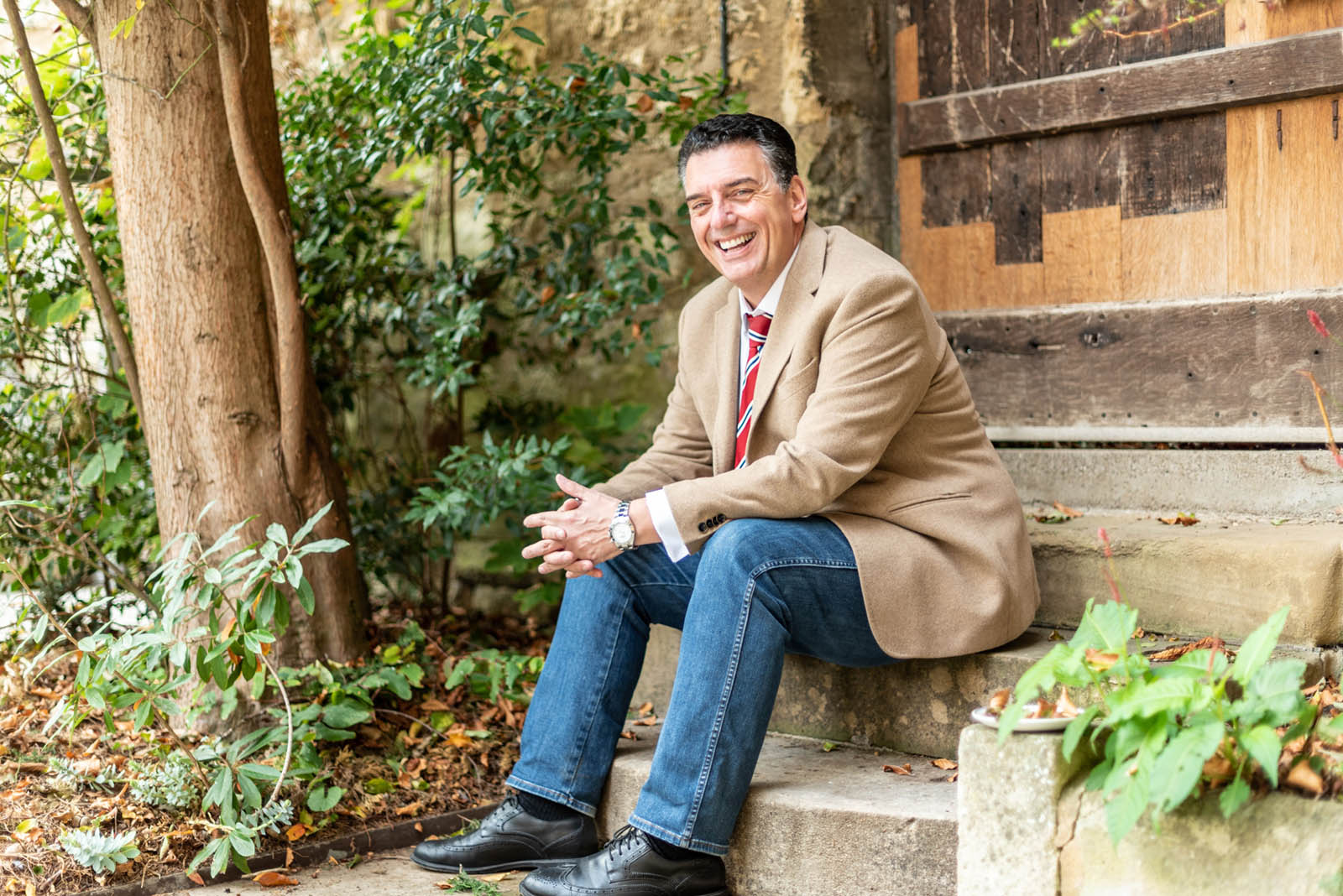
During the Taste of Life Retreat, which I am co-hosting with Irini, we will open up these questions together. With my guidance and hands-on culinary experiences led by Irini, you will discover how your desires, aversions, indulgences, and food memories shape not only what you eat, but also how you feel, remember, and connect.