
Marrakech is a city that dazzles all the senses, but for a foodie, it is nothing short of paradise. The colours of the souks, the scents of saffron and orange blossom in the air, the hiss of grills and bubbling tagines — everything about this city calls you to sit down and eat. Here are some of the places and experiences that make Marrakech so special for me.
La Famille
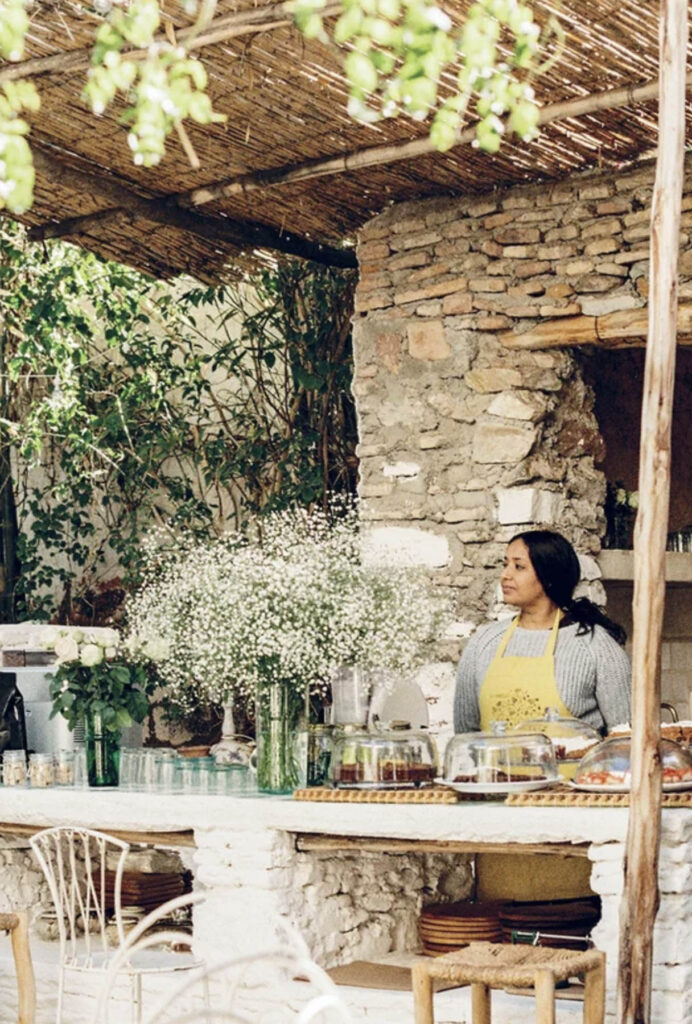
Tucked away in a leafy courtyard, La Famille is an all-women-led restaurant that has become a destination in itself. Their focus is fresh, seasonal vegetarian food — beautifully plated, light, and bursting with flavour. It feels like eating in a secret garden. They even have their own cookbook, filled with salad recipes, that’s worth bringing home as a memory of Marrakech’s more delicate side.
Rooftop dining at its best
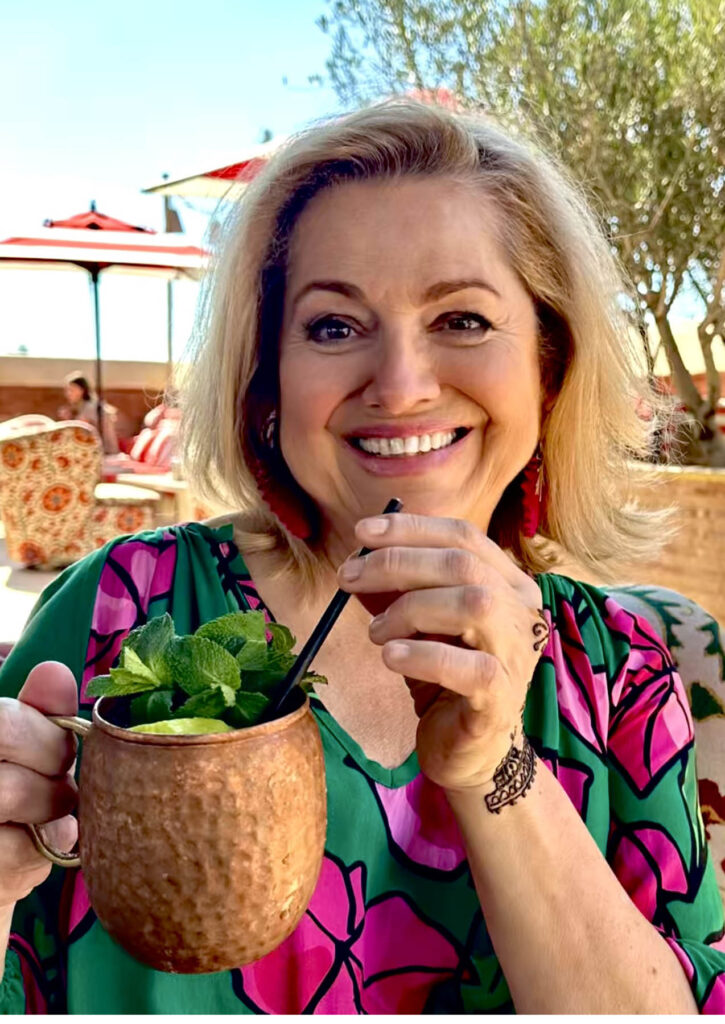
Marrakech rooftops are part of the city’s magic — especially at sunset. Café Arabe and El Fenn are perfect for cocktails, a stylish escape above the bustle, while Le Map offers a menu of small, inventive vegetarian plates that make sharing easy and relaxed. There’s something unforgettable about watching the evening light turn the medina pink while sipping a mint tea or glass of wine.
Cooking and learning
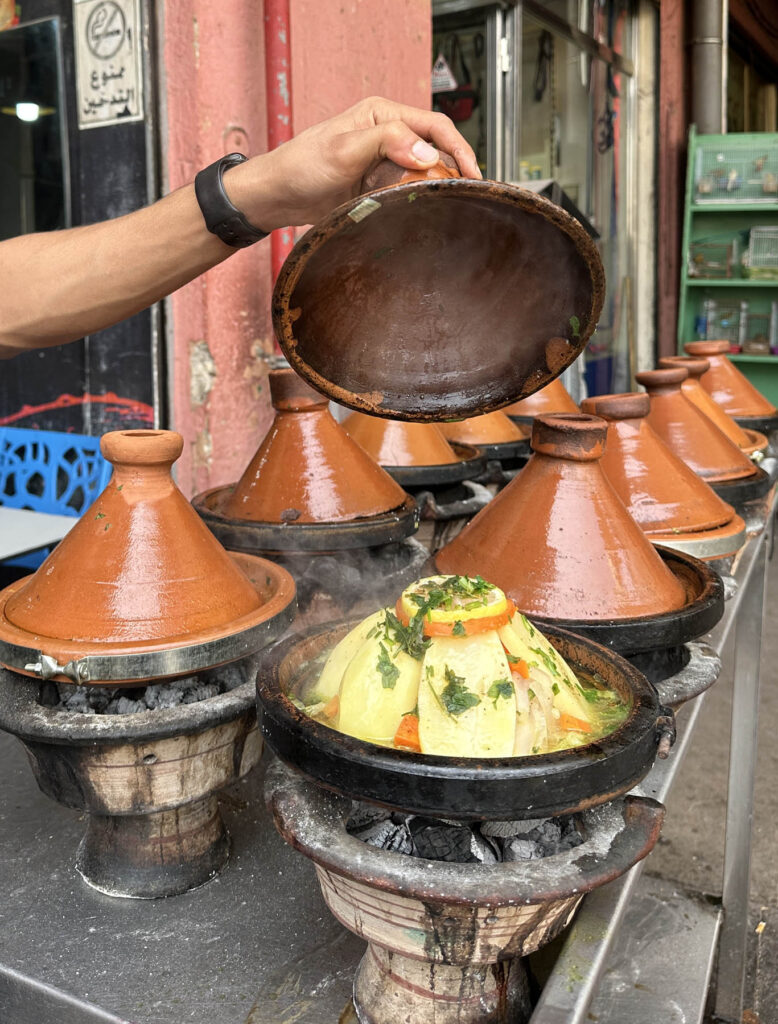
If you want to do more than just eat, head to the Musée de L’Art Culinaire Marocain, a beautiful riad turned culinary school and museum. It’s the perfect place to understand Morocco’s culinary traditions while rolling up your sleeves to try your hand at tagines or pastries. Another favourite of mine is the Amal Women’s Training Centre, where you can cook alongside the women, learn authentic recipes, and then sit down to enjoy your creations together. It’s both delicious and deeply moving.
Al Fassia
No foodie guide to Marrakech would be complete without mentioning Al Fassia, one of the city’s most iconic restaurants, also run by women. Their menu is full of traditional Moroccan dishes — think slow-cooked lamb shoulder with prunes or fragrant chicken pastilla. It’s the sort of meal that lingers in your memory long after you’ve left.
Street food and souk snacks
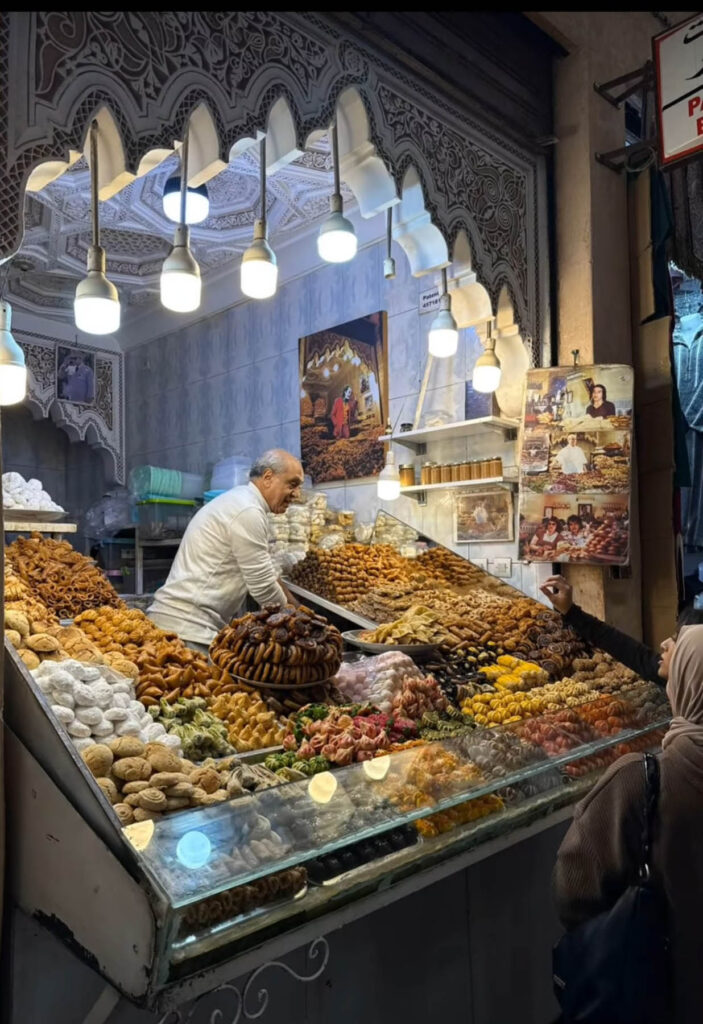
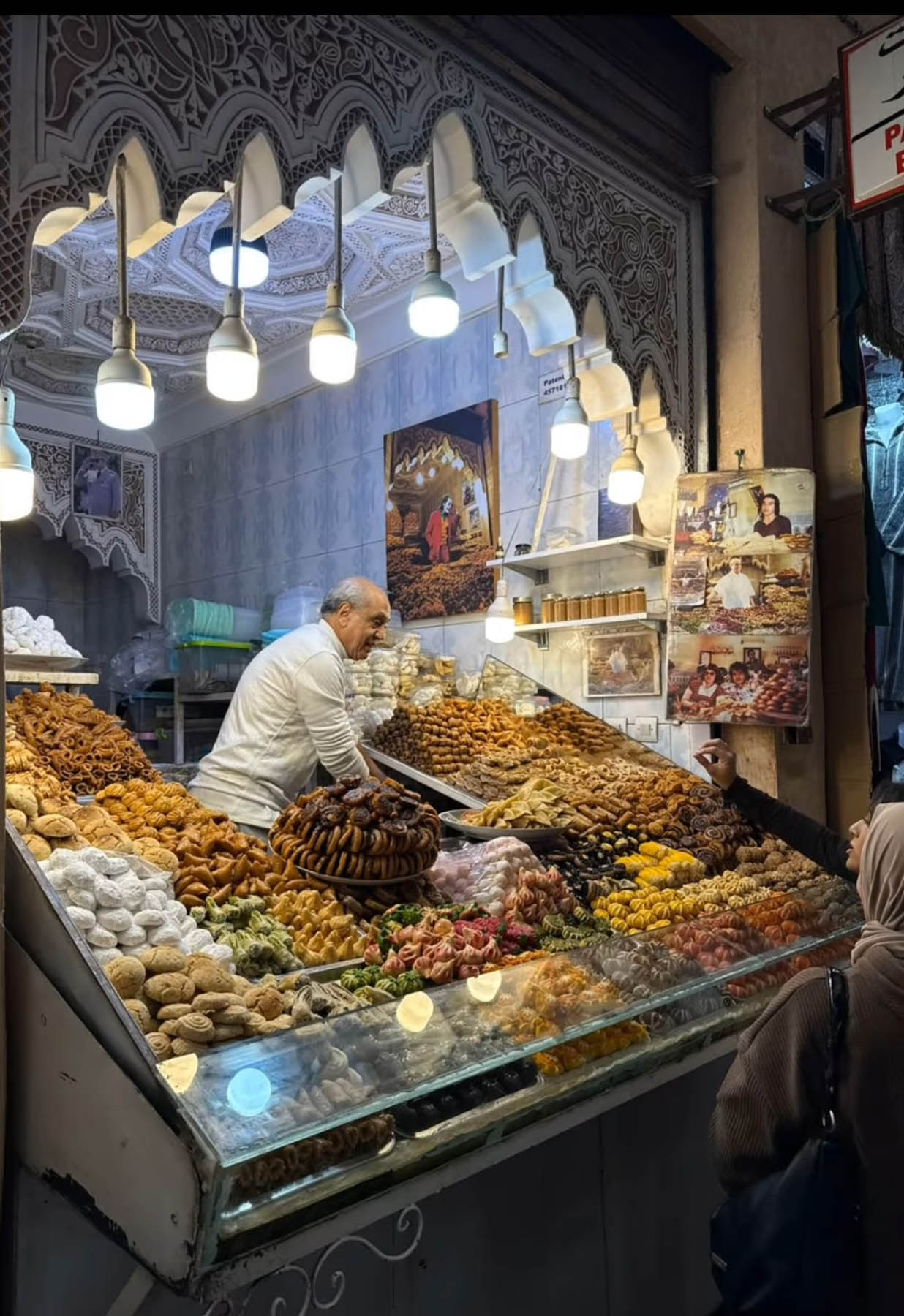
Of course, to really taste Marrakech, you have to wander into the medina and its food stalls. Jemaa el-Fnaa at night is alive with grills, skewers, bubbling snail soup, and fresh-squeezed orange juice. One of my favourite simple pleasures is mesmen — a flaky, layered Moroccan pancake, hot off the griddle, eaten with honey or filled with savoury onions and spices. Or try chebakia, flower-shaped sesame cookies dipped in honey, often sold by street vendors.
Something sweet
Finish a food walk with traditional mint tea poured from a height, accompanied by delicate almond pastries. Sitting in a café, watching the rhythm of the city pass by, is as much a culinary experience as the food itself.
Tip: Marrakech can be overwhelming at first, but when you slow down, sit at a rooftop, or share bread in a family courtyard, you realise food here isn’t just about flavour — it’s about hospitality and connection.
A Perfect Foodie Day in Marrakech
If you only had one full day in Marrakech to indulge your taste buds, here’s how I would spend it:
Morning: A market stroll and breakfast treat
Start early in the medina, when the souks are just waking up and the light is golden. Wander through the spice stalls, where pyramids of cumin, cinnamon, and paprika fill the air with heady fragrance. Grab a freshly squeezed orange juice from a vendor in Jemaa el-Fnaa, then follow it with a warm mesmen (Moroccan pancake) drizzled with honey — a sweet, simple breakfast loved by locals.
Mid-morning: Immersive cooking and culture
Head to the Musée de L’Art Culinaire Marocain or the Amal Women’s Training Centre for a hands-on cooking session. Learn how to prepare a classic tagine or fresh salads bursting with herbs, and then enjoy the fruits of your labour for lunch. At Amal, the experience is especially rewarding, as it supports and empowers local women while giving you a true taste of Moroccan home cooking.
Afternoon: Hammam and a little shopping
After lunch, take time to digest in true Moroccan fashion — slowly. A traditional hammam and massage will reset you before diving back into the city. Back at your riad or at Villa Dinari (if you’re on retreat), you might even enjoy reading in the garden or browsing Heather’s “Lazy Souk” shop for small treasures.
Late afternoon: Tea, cookies, and rooftop views
Join a tea ceremony, perhaps after visiting Amal’s bakery project, and enjoy traditional Moroccan cookies with a glass of mint tea poured high into the glass. Then head to Café Arabe for a pre-dinner cocktail or simply to watch the light shift over the rooftops as the city prepares for evening.
Evening: A feast to remember
Dinner should be at Al Fassia, an institution run by women, where you can savour dishes like lamb with prunes, chicken pastilla, or couscous with caramelised onions. The food is rich, comforting, and deeply Moroccan.
Nightcap: Jemaa el-Fnaa after dark
End the day back in Jemaa el-Fnaa. The square comes alive with sizzling grills, steaming snail soup, and musicians filling the night with rhythm. Share a quick bite — perhaps skewers of meat, or a small bowl of harira (spiced lentil and chickpea soup) — even if
What to Bring Back from Marrakech
No matter how much you eat in Marrakech, the flavours have a way of calling you back. Luckily, many can travel home with you — so your suitcase becomes a treasure chest of taste and memory. Here’s what I recommend packing:
- Ras el Hanout – This iconic Moroccan spice blend (the name means “top of the shop”) varies from vendor to vendor, sometimes with up to 30 spices. It’s perfect for tagines, roasted vegetables, or even sprinkled over nuts.
- Dates – Plump, caramel-sweet dates from the south of Morocco are incomparable. Choose Medjool for richness, or Deglet Nour for everyday snacking.
- Argan Oil – Often called “liquid gold,” Moroccan culinary argan oil is nutty, rich, and delicious drizzled over couscous, salads, or simply with bread. (Just make sure you buy culinary argan oil, not the cosmetic kind!)
- Atlas Mountain Honey – Each region of Morocco produces distinctive honeys — from thyme to eucalyptus. The mountain varieties are especially aromatic and capture the purity of the highlands.
- Traditional Sweets – Delicate gazelle horns (almond pastries scented with orange blossom), chebakia (sesame cookies dipped in honey), or almond briouats travel well if packed carefully.
- Preserved Lemons – A cornerstone of Moroccan cooking, these add brightness to stews, roasted chicken, or salad dressings.
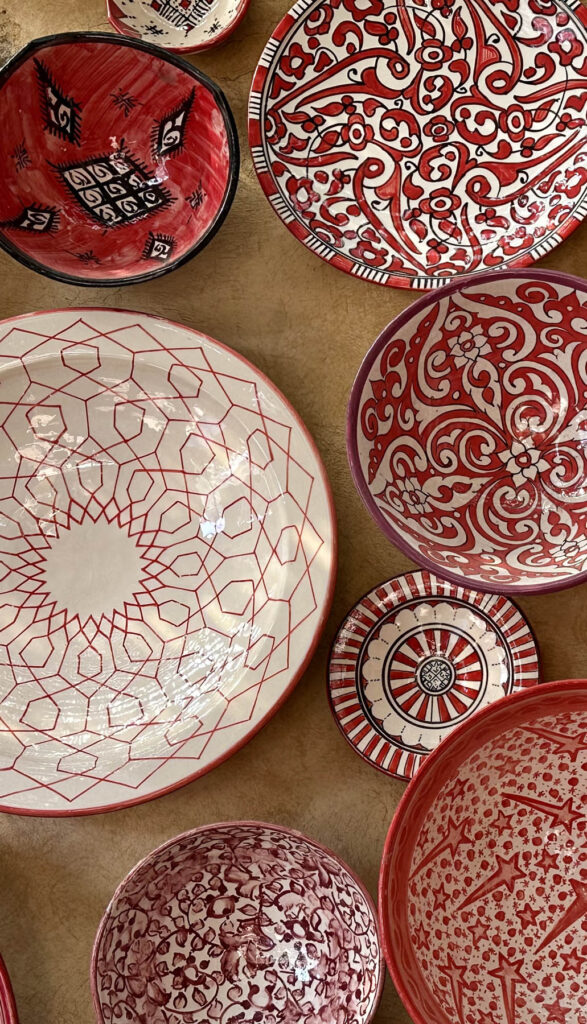
- Gassaa (Traditional Clay Dish) – This wide, shallow terracotta dish is used in Moroccan homes to knead bread dough and to serve couscous communally. It’s both practical and symbolic — a reminder that food is meant to be shared. If you only bring back one piece of cookware, make it this one.
Tip: I always tell guests that if they bring back just three things, let it be ras el hanout, a good argan oil, and some mountain honey. With those, you can create the flavours of Morocco in your own kitchen and share the memory with friends.