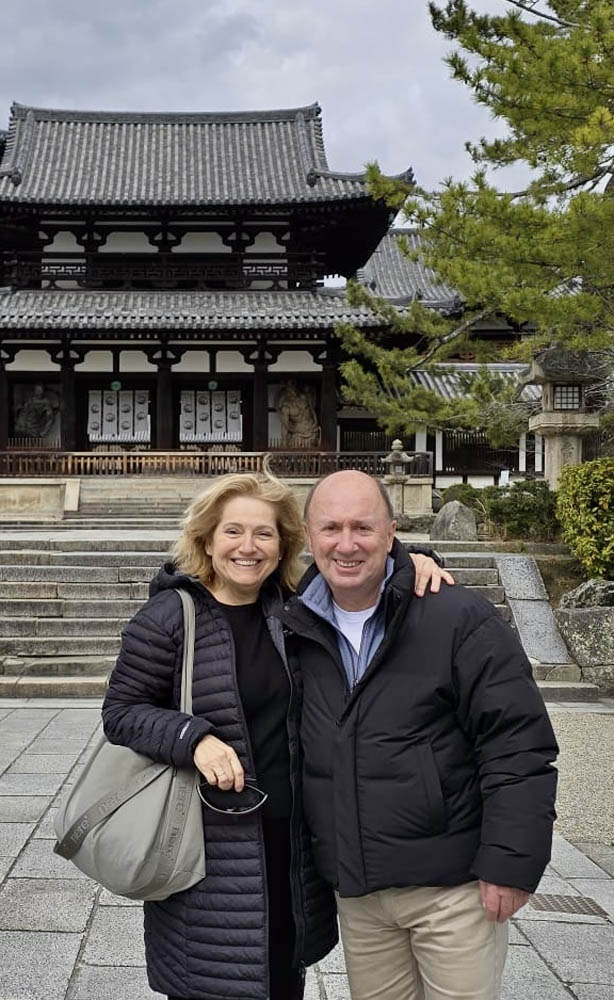

There is a particular kind of traveller’s ache that catches you off-guard. Not at the airport, boarding pass in hand, but earlier — sometimes days earlier — a quiet, insistent thought that arrives before the journey has properly ended: I want to do this again.
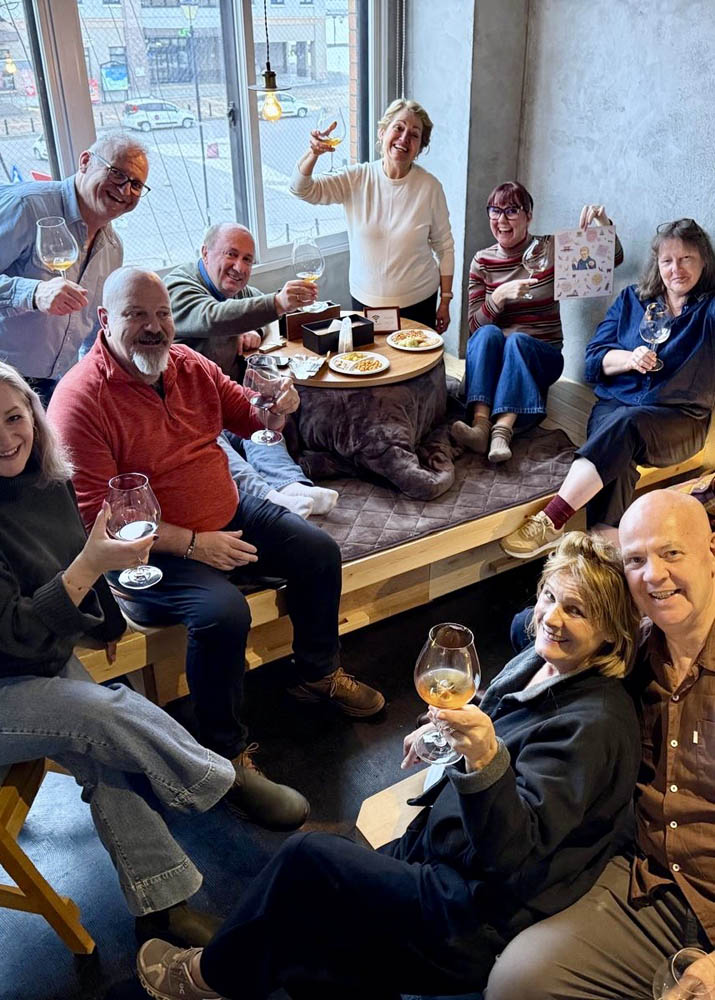
Japan did this to John and me, and to the four couples of repeat retreat guests who trusted me to create this culinary and cultural experience. That trust, I should say, is not something I take lightly.
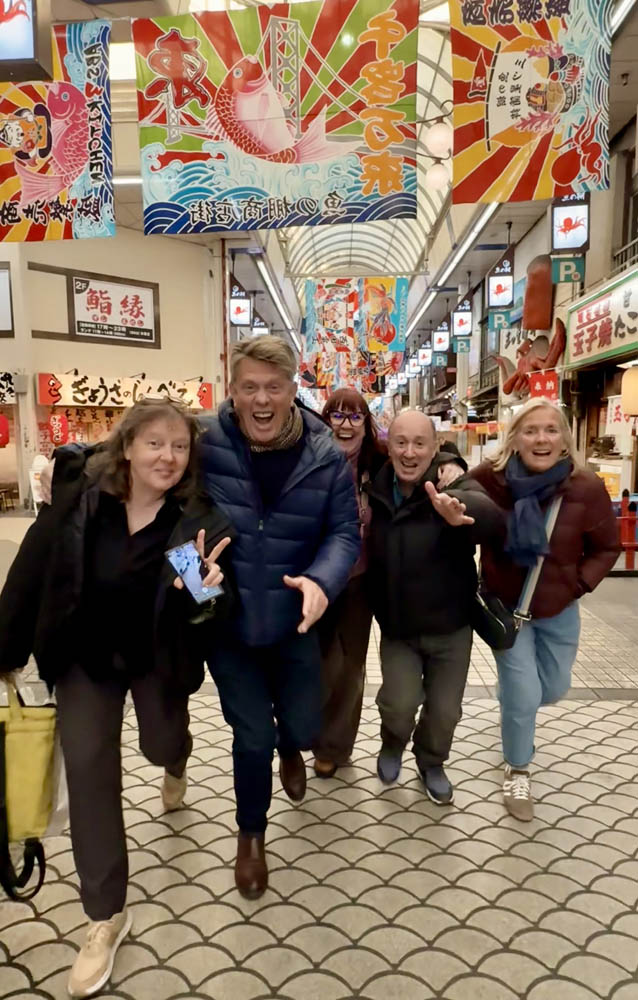
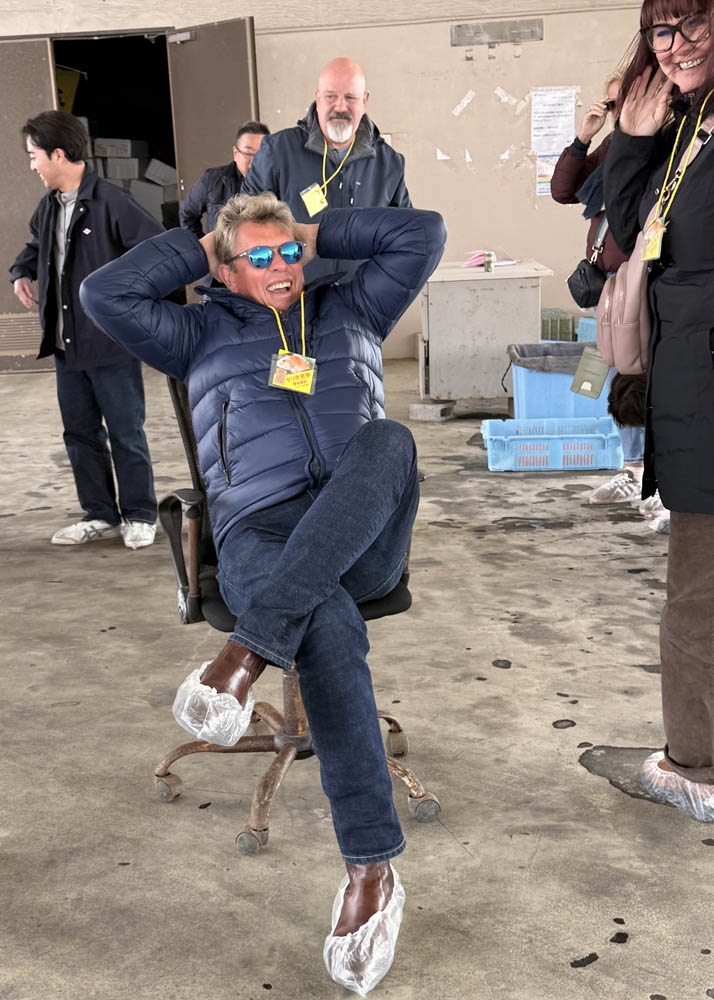
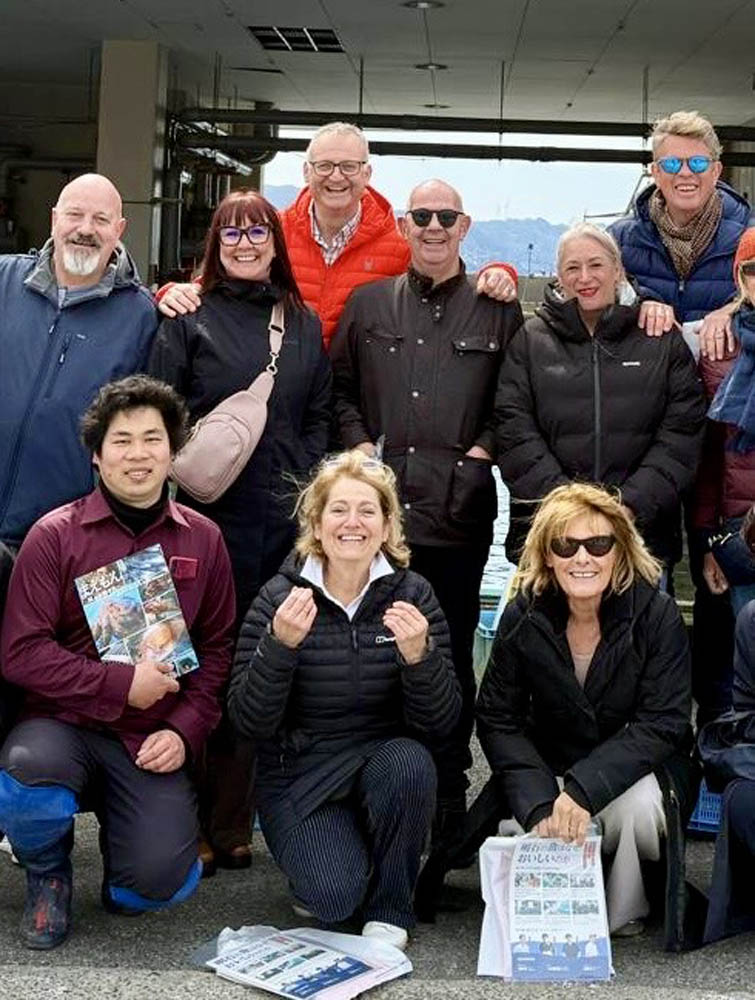
Our first full day took us by shinkansen from Osaka to Akashi, a coastal city better known to the Japanese than to most international visitors — which is precisely the point. Akashi is famous for its seafood, its sake, and, if you know where to look, its whisky. We arrived at the fish auction while it was still doing exactly what it is: a working auction, not a visitor attraction. Nobody slowed down for us. Fish moved from hand to hand with the fast, instinctive efficiency of people who have spent decades doing this, prices agreed in seconds, expertise worn as lightly as a working apron. We learned about ikejime — the traditional Japanese method of dispatching fish that preserves its quality at the highest possible level. A detail, perhaps. But in Japan, details are everything.
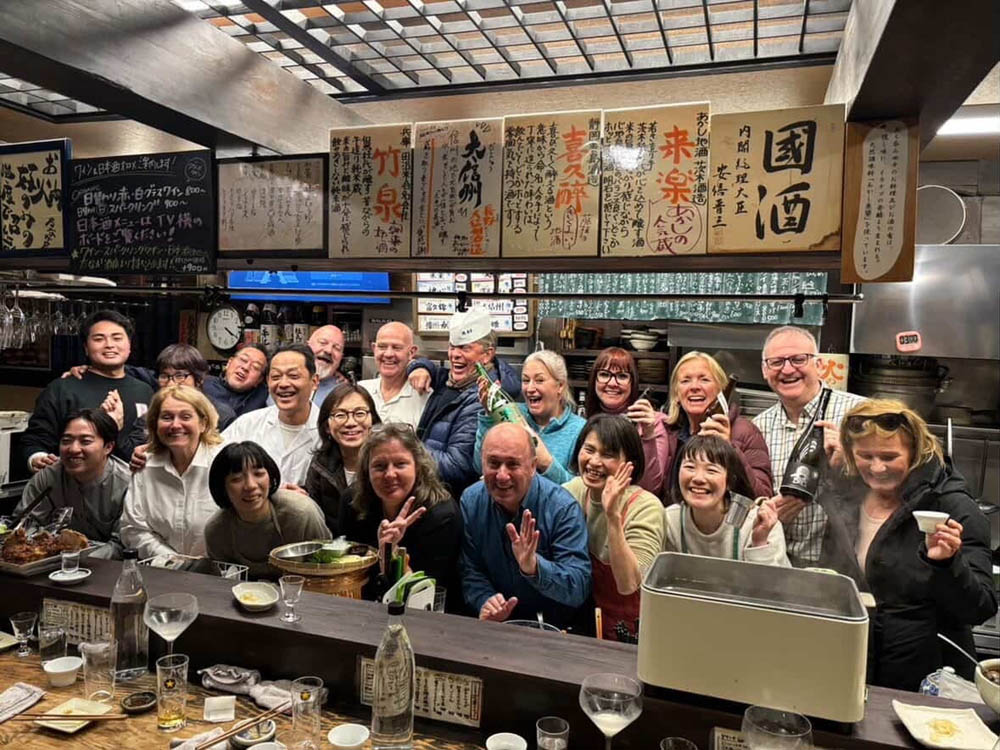
Lunch was at the standing bar adjacent to the long established Tanakaya Sake Cava — sake included, obviously — followed by an evening back in Osaka at a small okonomiyaki restaurant, where the owner-chef cooked privately for our group at the teppanyaki counter. Nothing overstated, nothing performed. And yet everything was considered and generous. Drinks were not billed, which created the same kind of emotional pang I feel in Crete each time we are offered free raki and fruit at the end of a meal. Some gestures need no translation.
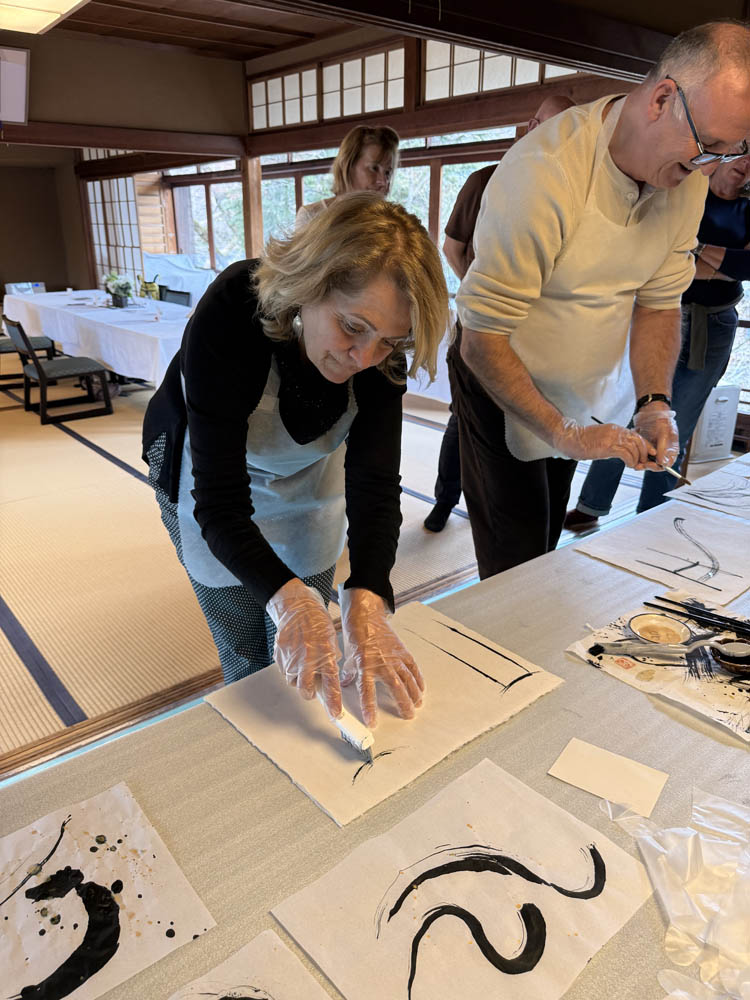
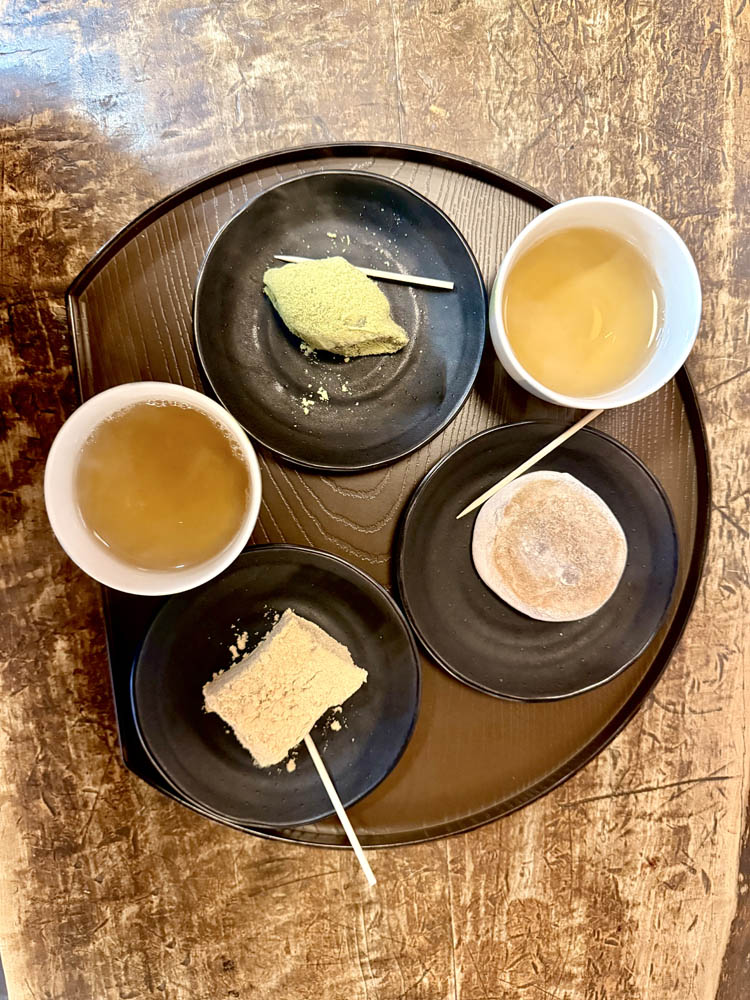
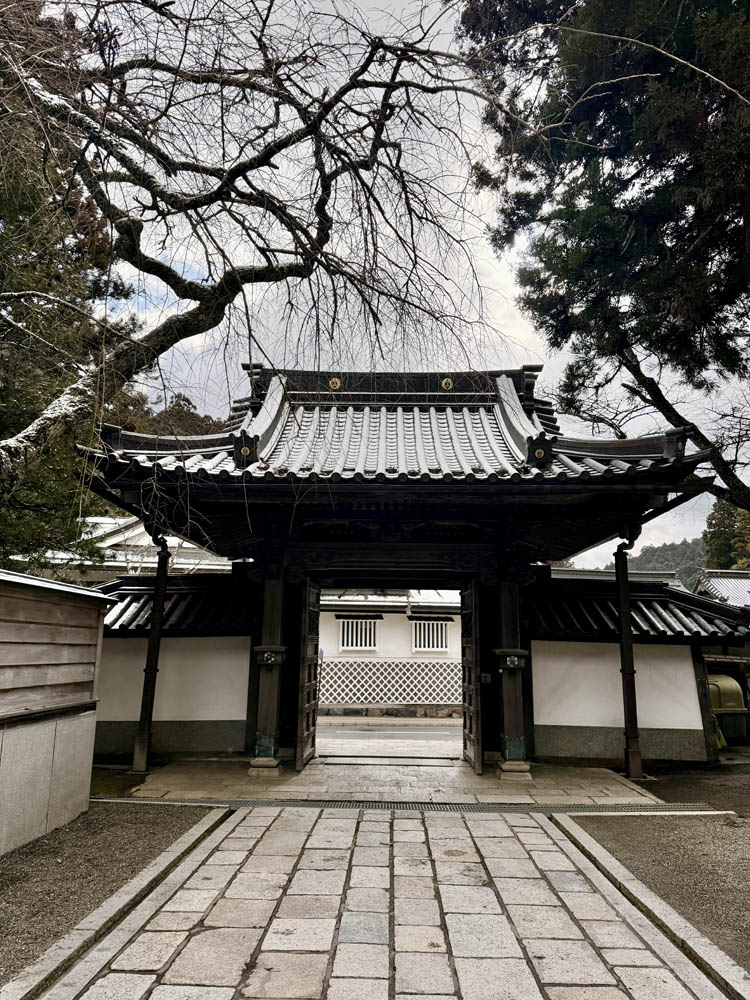
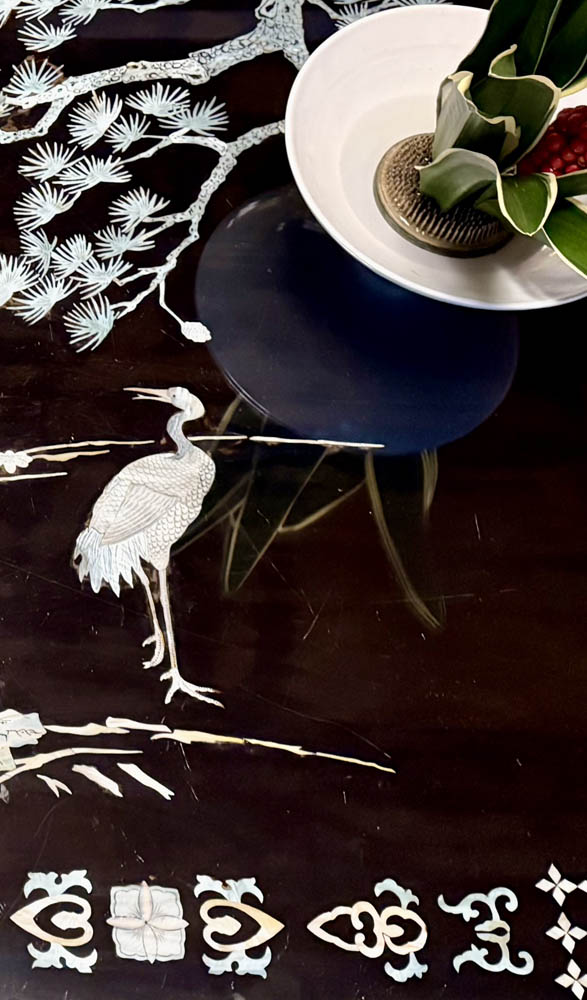
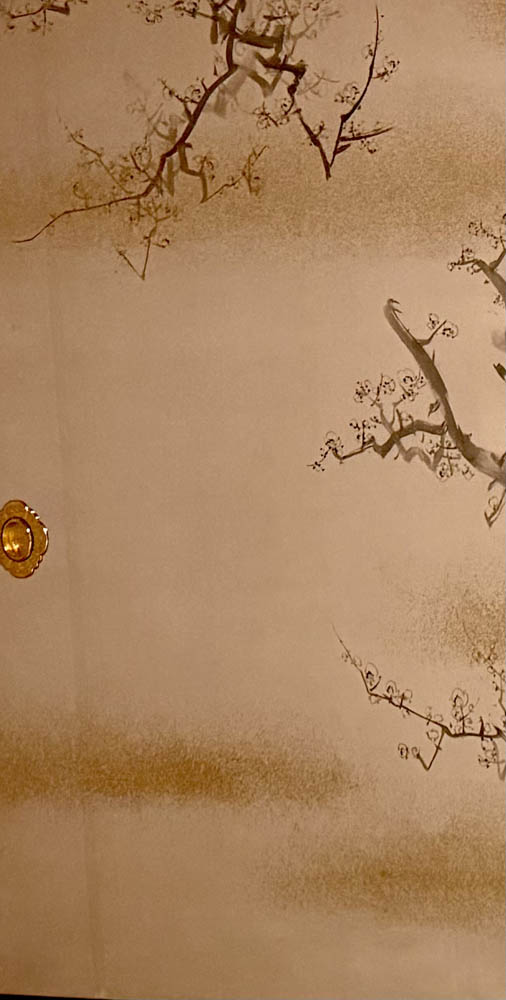
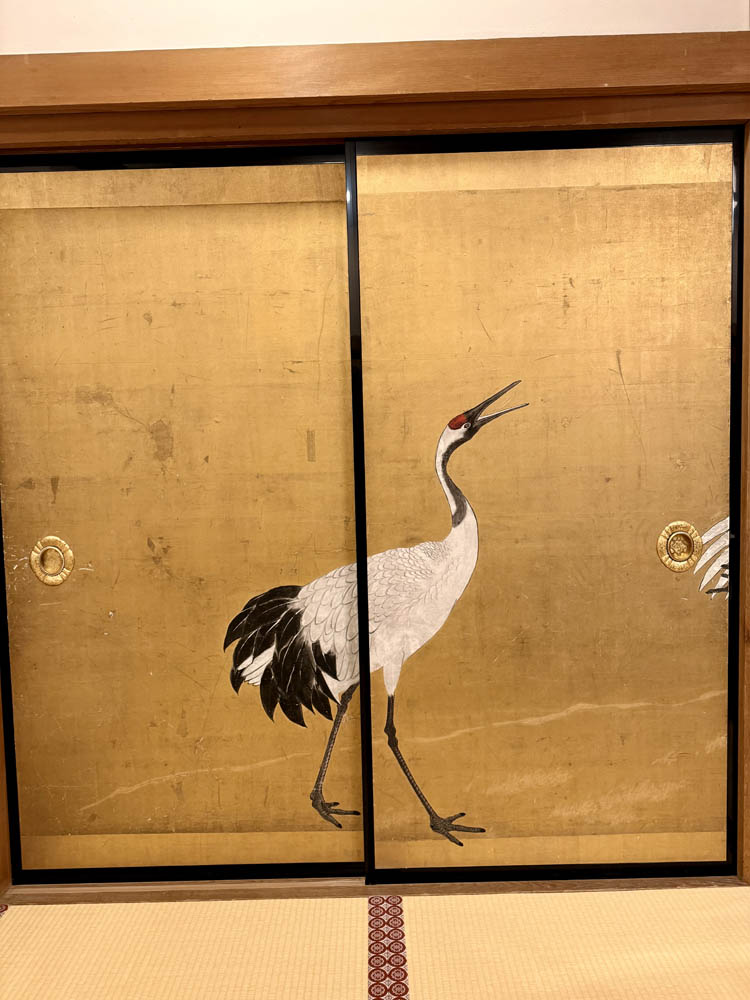
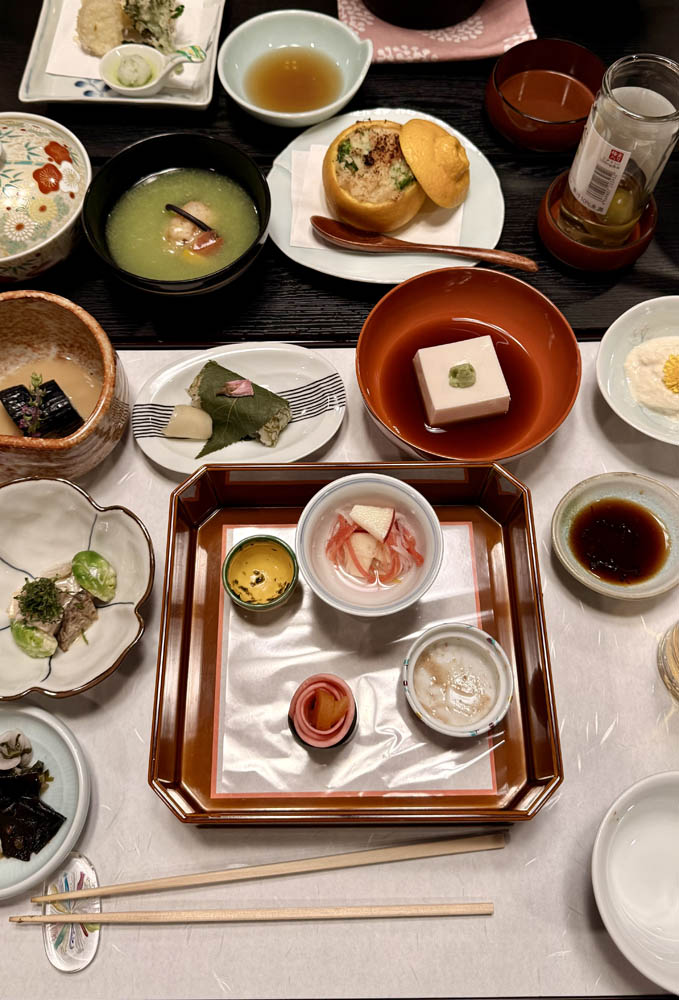
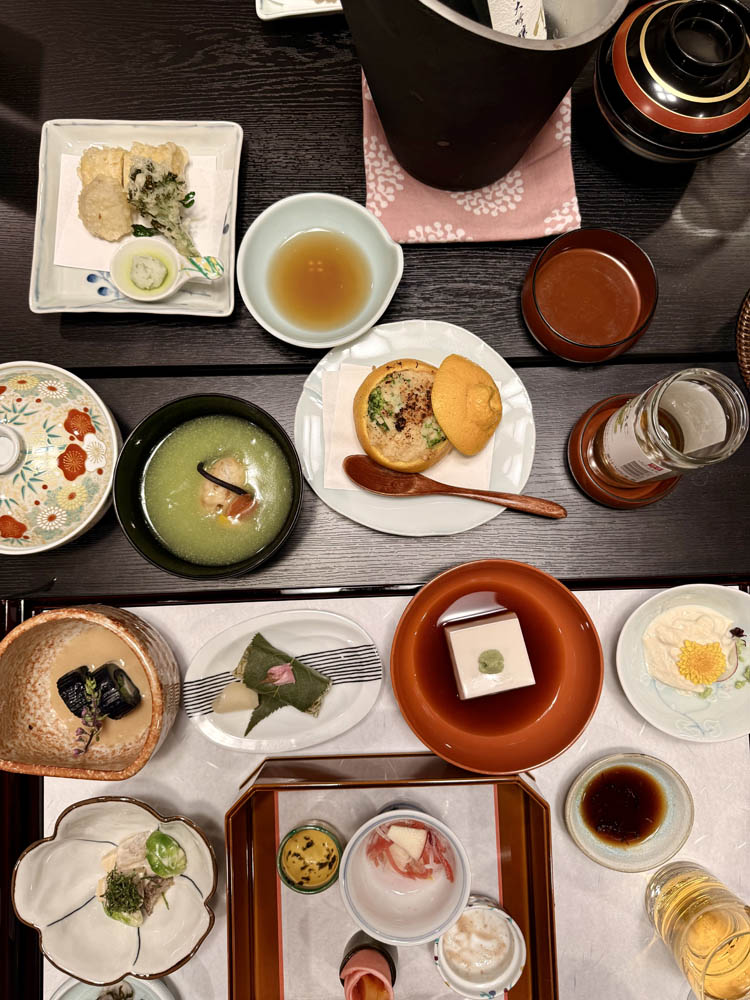
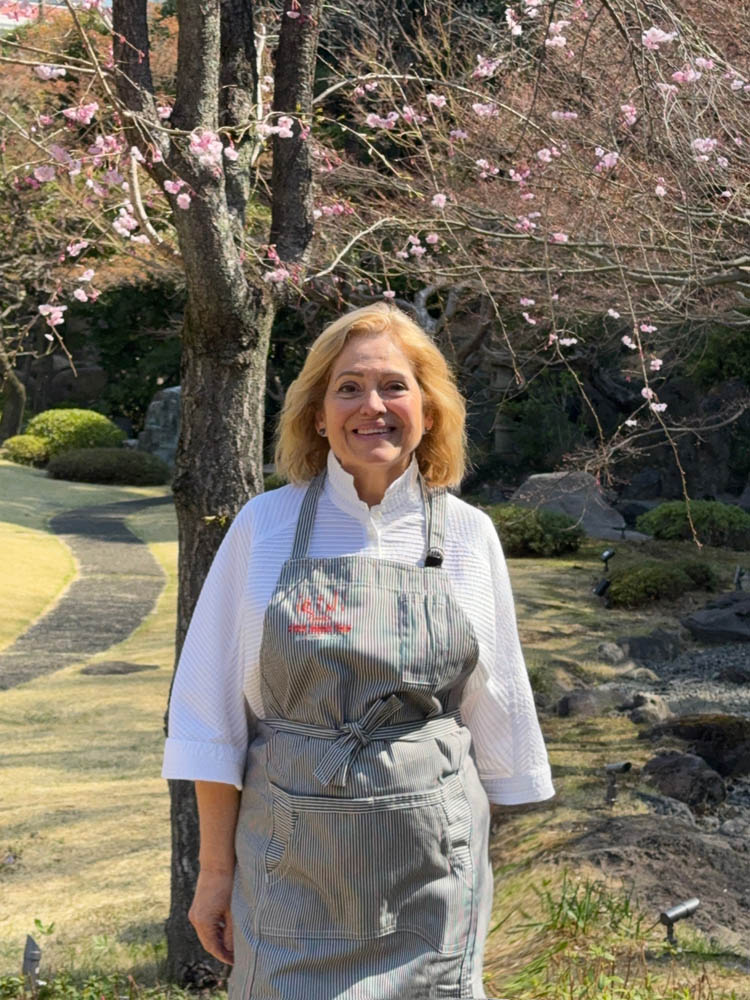
Kyoto the following day offered a different register entirely. At Heihachi Chaya — a historic building housing a traditional tea house and gardens — we spent a morning on Japanese crafts led by professional flower artist Minako Usui: flower arranging, brush painting, and the particular discipline of ma, the Japanese concept of meaningful empty space. It was unhurried, detailed work. The angle of a stem, the weight of ink on paper, the pause that is as deliberate as anything placed within it. After a kaiseki lunch and tea ceremony led by the 21st-generation owner Shingo Sonome, we visited Nishiki Market and were given a private opening at Yagi Hocho, one of Japan’s most prestigious knife manufacturers. Listening to the family’s history, we felt less like visitors than trusted friends. The sharpening demonstration was, I can confirm, extremely useful.
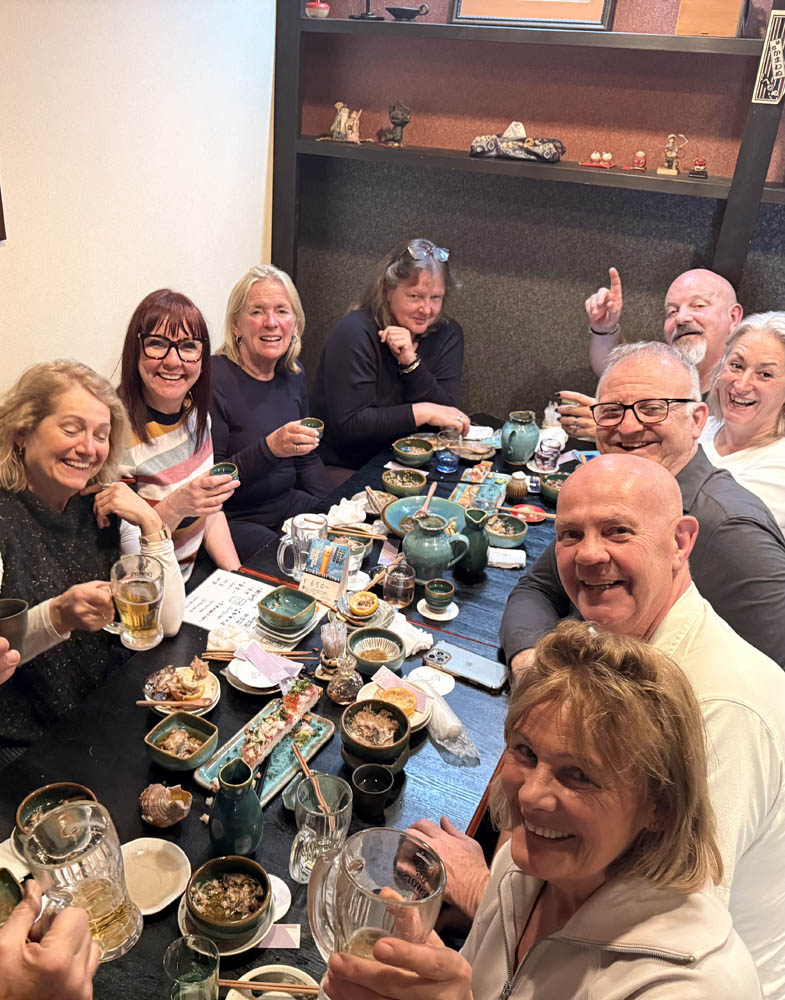
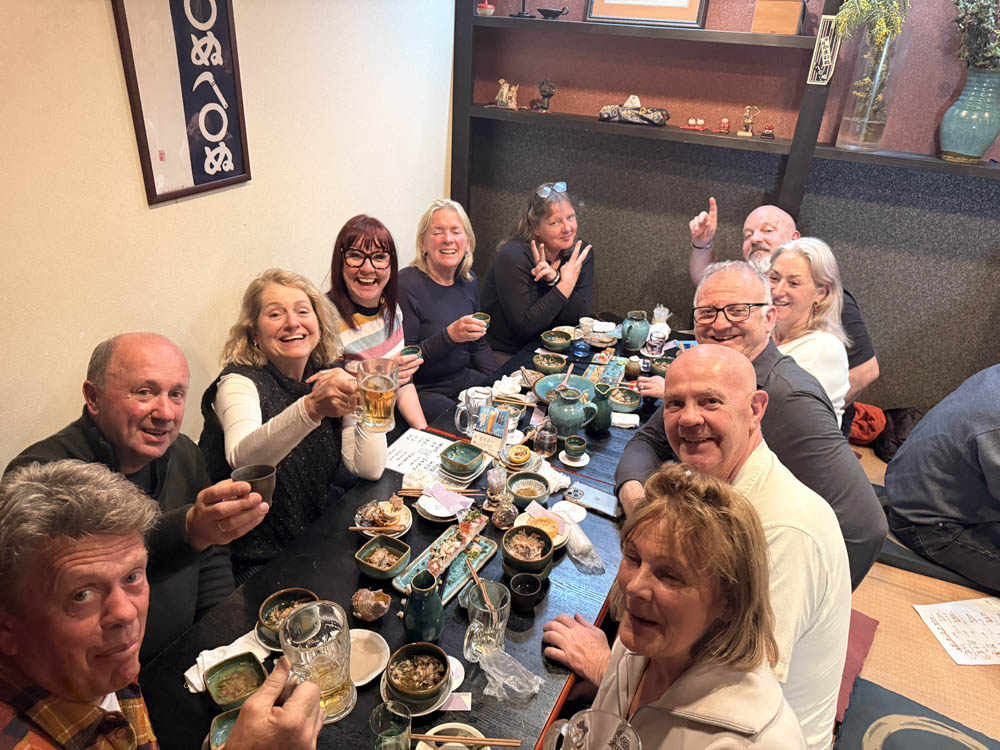
From Kyoto, the journey shifted north. A morning browsing Dotonbori and the kitchenware shops of Doguyasuji in Osaka — genuinely dangerous for anyone with a weakness for beautiful, purposeful objects — then a flight to Sapporo and a transfer to Otaru, a historic fishing port now equally famous for its hand-blown glassware. Supper that night at Kamawanu, a retro izakaya, was exactly what it promised to be: eating like locals, with locals, in a room that had no interest in being anything other than itself.
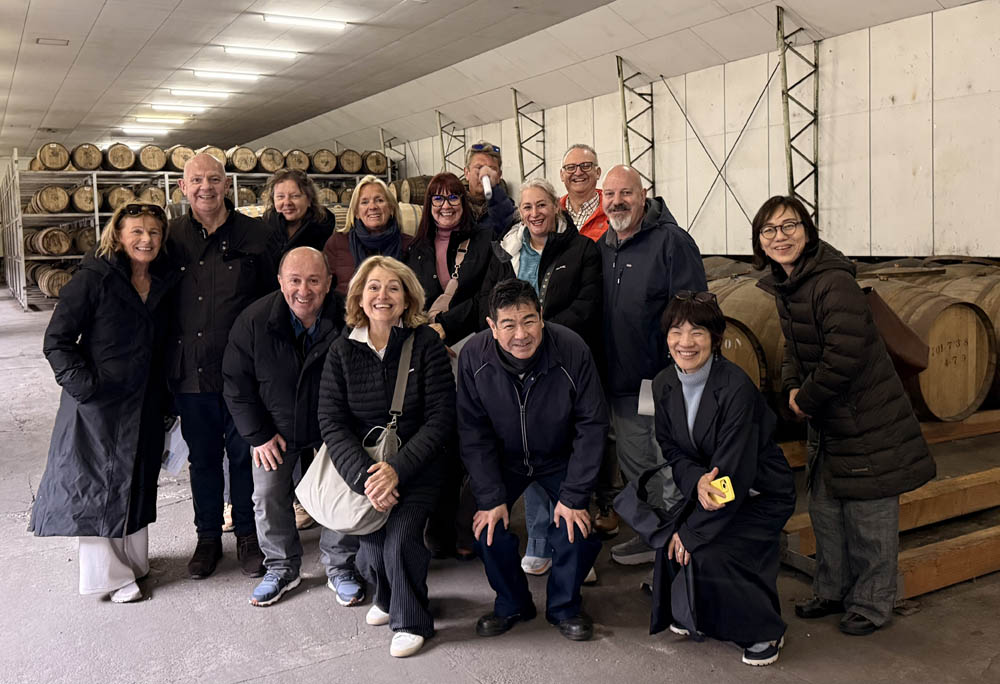
The following day brought the Yoichi Whisky Distillery — lunch, a guided tour, and a tasting — before we checked into Yoichi LOOP, a hotel rapidly building a reputation for wine-paired dinners featuring Hokkaido wines and local produce, prepared by chefs with Michelin-restaurant backgrounds.
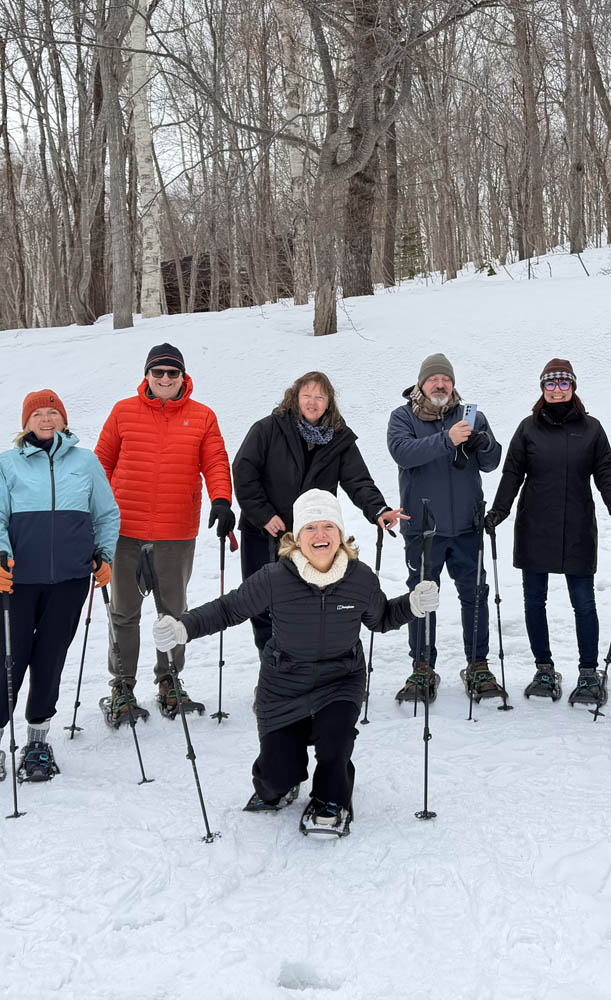
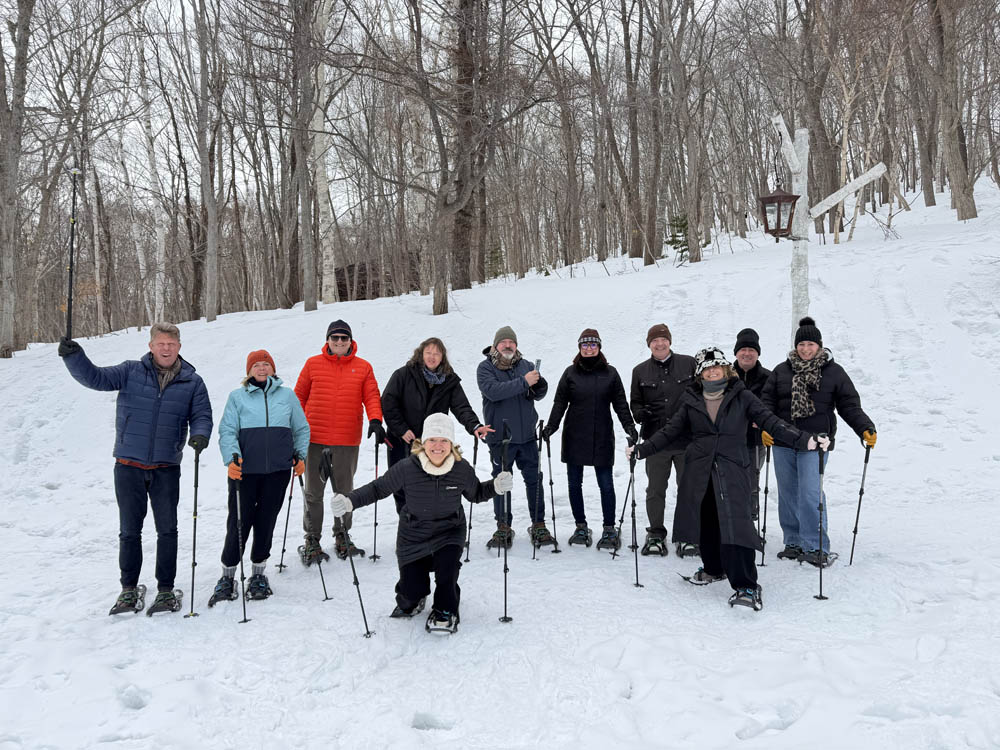
Then Niseko, and a guided two-hour snowshoe walk through proper Hokkaido winter — the kind of snow that absorbs sound and quietly insists that you slow down, whether you intended to or not. We all wished it had lasted longer. That evening, at Moku no Sho resort, each room came with a private onsen bath. Immersed in hot spring water, looking out at the same white stillness we had walked through that afternoon, it is genuinely difficult to think of anything you actually need.
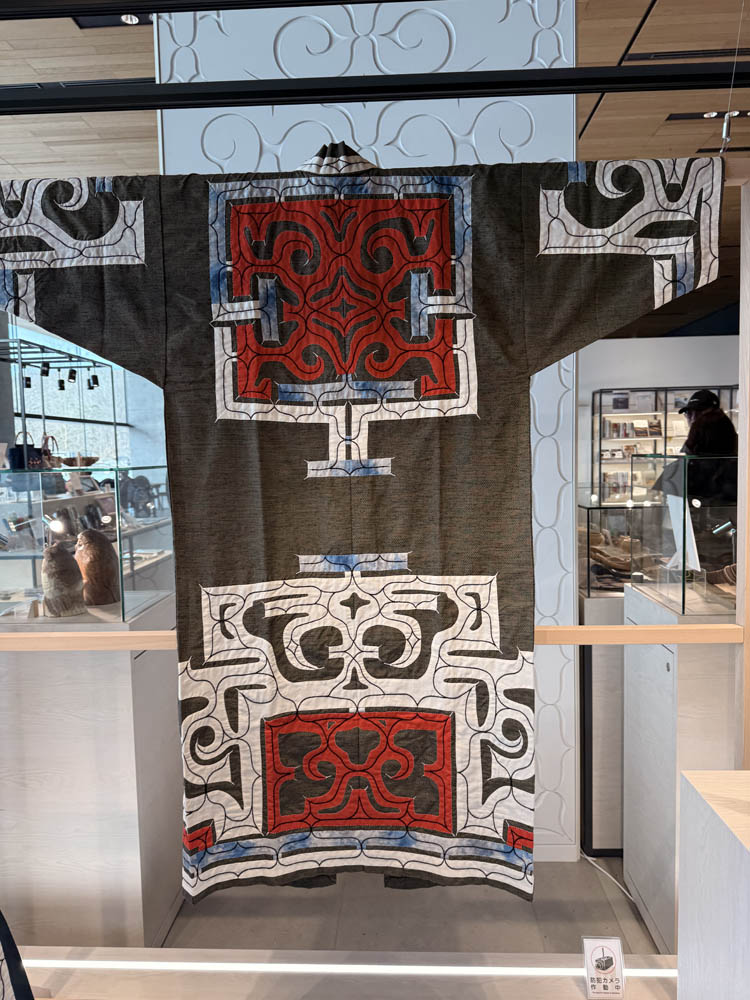
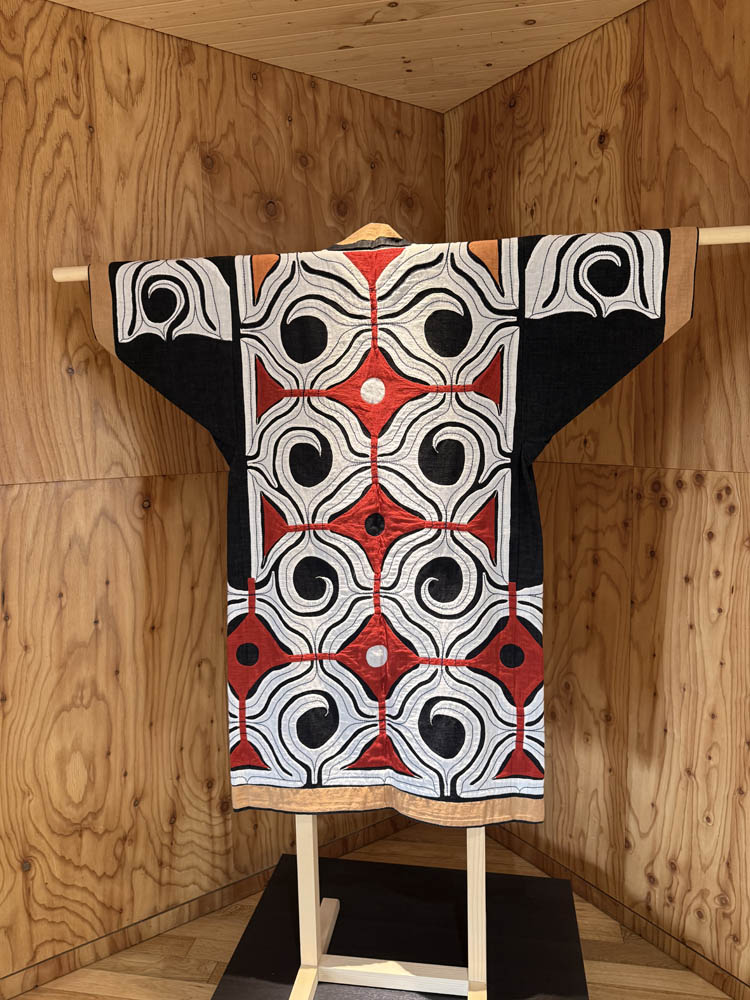
A visit to Shiraoi and the UPOPOY Ainu culture museum — opened in 2021 and dedicated to Japan’s indigenous northern communities — added unexpected depth to the journey. Traditional arts, crafts, and food from a culture most visitors to Japan never encounter. Carving our own wooden coasters, we were all, briefly and happily, children again without a single care in the world.
Sapporo delivered in every direction: a honey tasting from Ishikari producers, miso ramen for lunch, an afternoon’s browsing in the Tanukikoji arcade, and a Michelin-rated sushi omakase dinner at Yokota in the evening. For those still standing afterwards: karaoke. And I will say this — singing your favourite songs at full volume in your own private room, with everyone joining in, is one of the most joyful and oddly therapeutic things you can do. The fact that a good quantity of Japanese beer was simultaneously consumed may or may not have contributed to the general excellence of the performances.
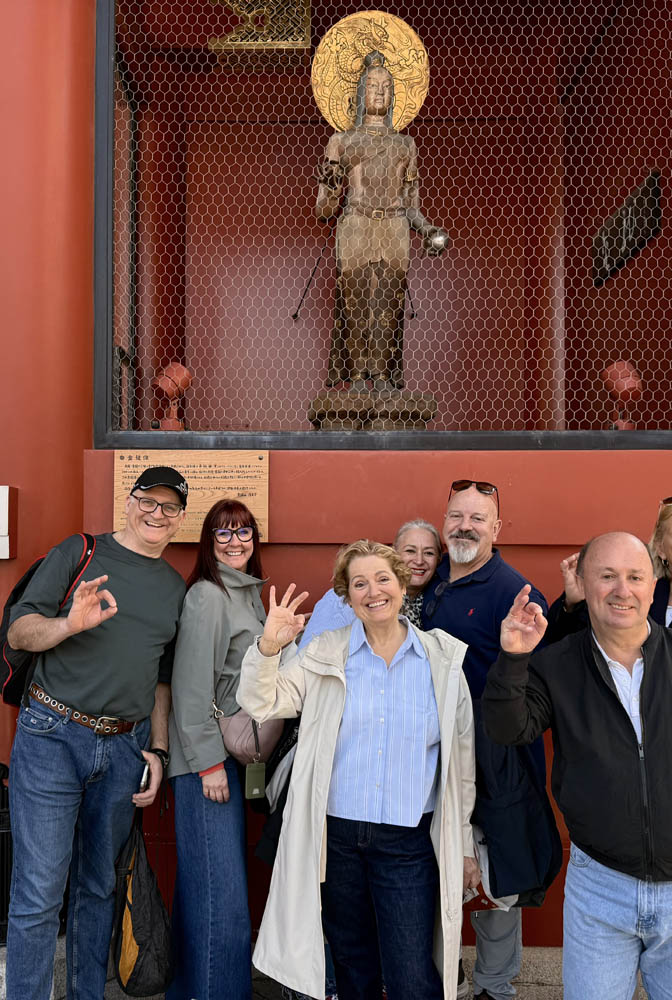
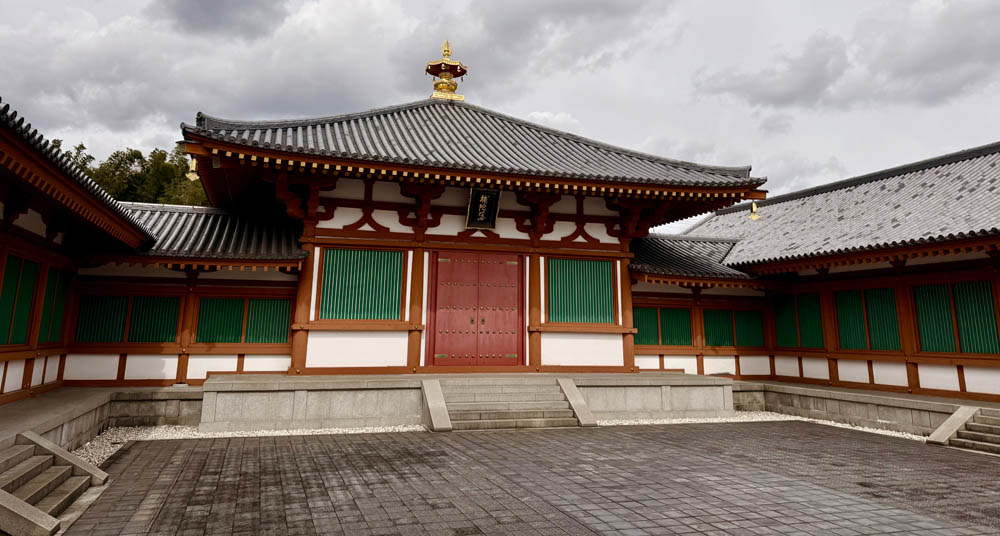
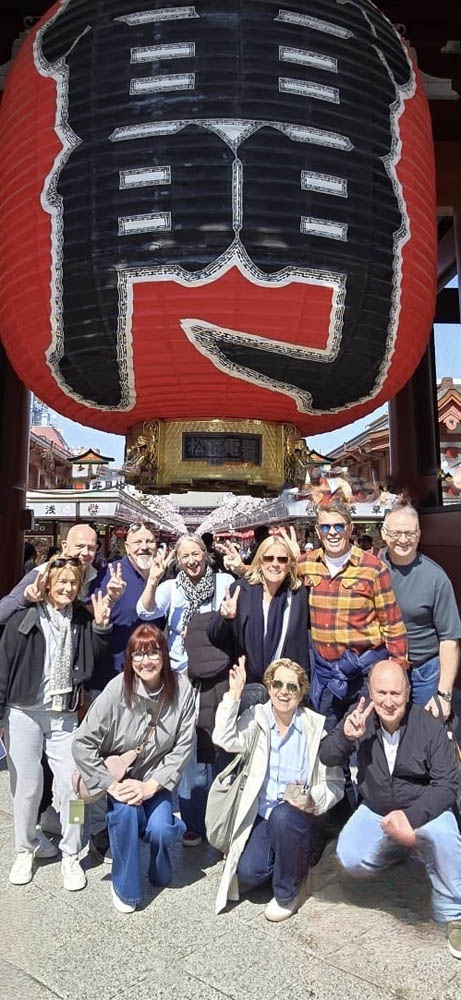
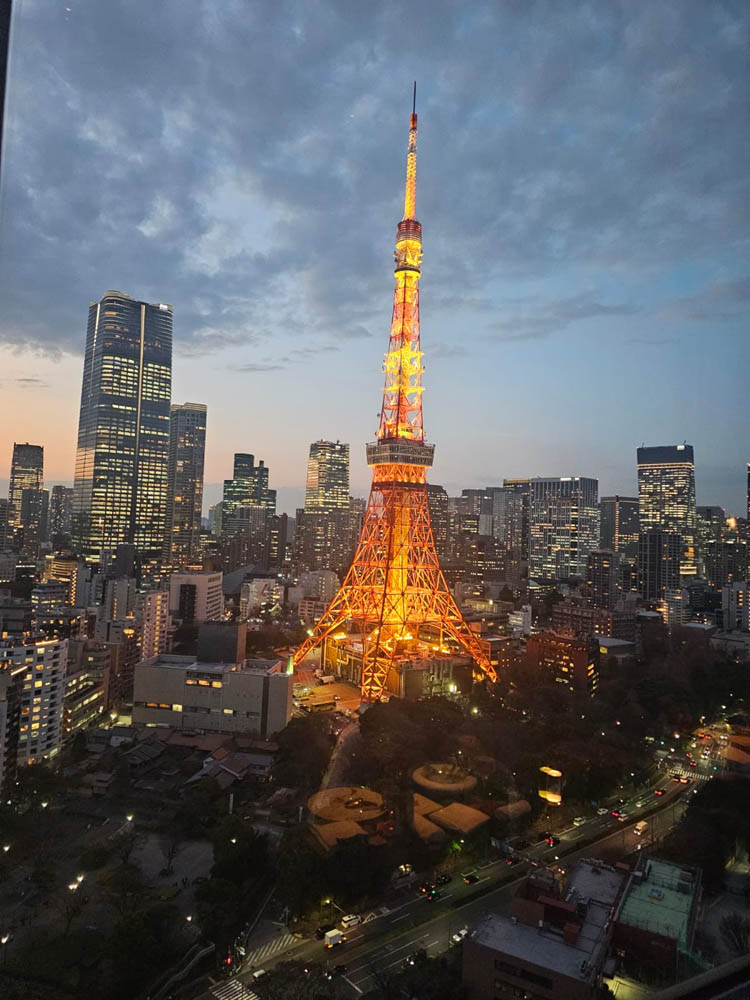
Tokyo arrived like a change of gear. After Tokyo Tower, the Kaminarimon temple at Asakusa, and the magnificent excess of Shinjuku — 61 exits, if you are counting — the final days settled into something more focused. At Sano Miso, a historic producer, we attended a seminar and lunch dedicated entirely to miso: its history, its varieties, its quiet centrality to Japanese cooking. The afternoon brought pottery and interior shops, including antique dealers where it became very difficult to be sensible about luggage.
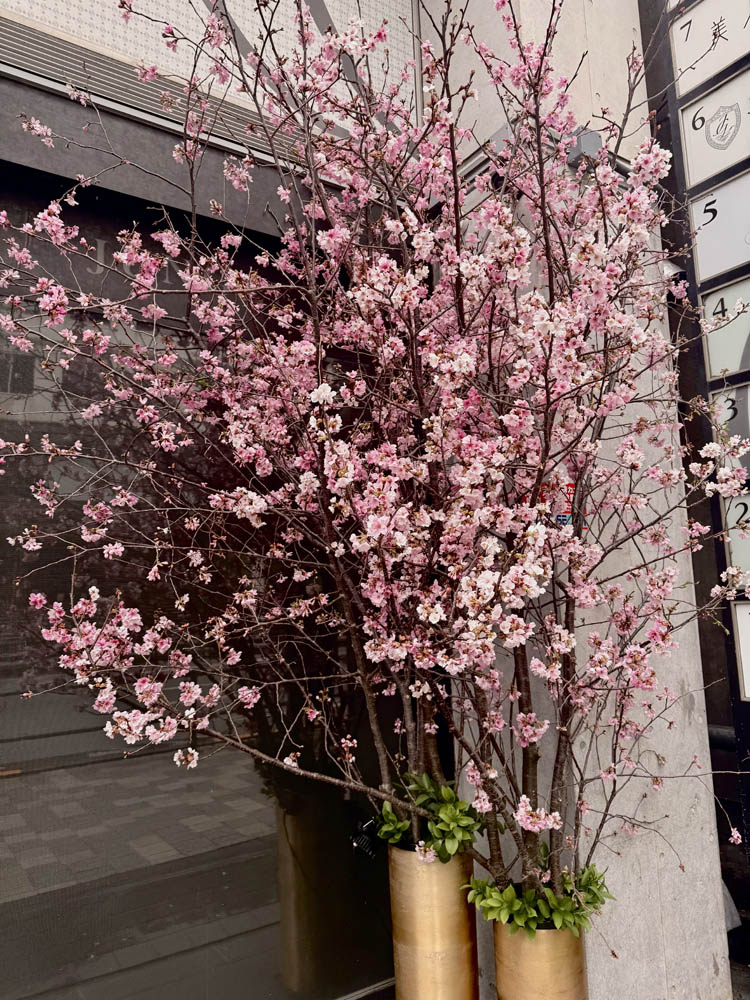
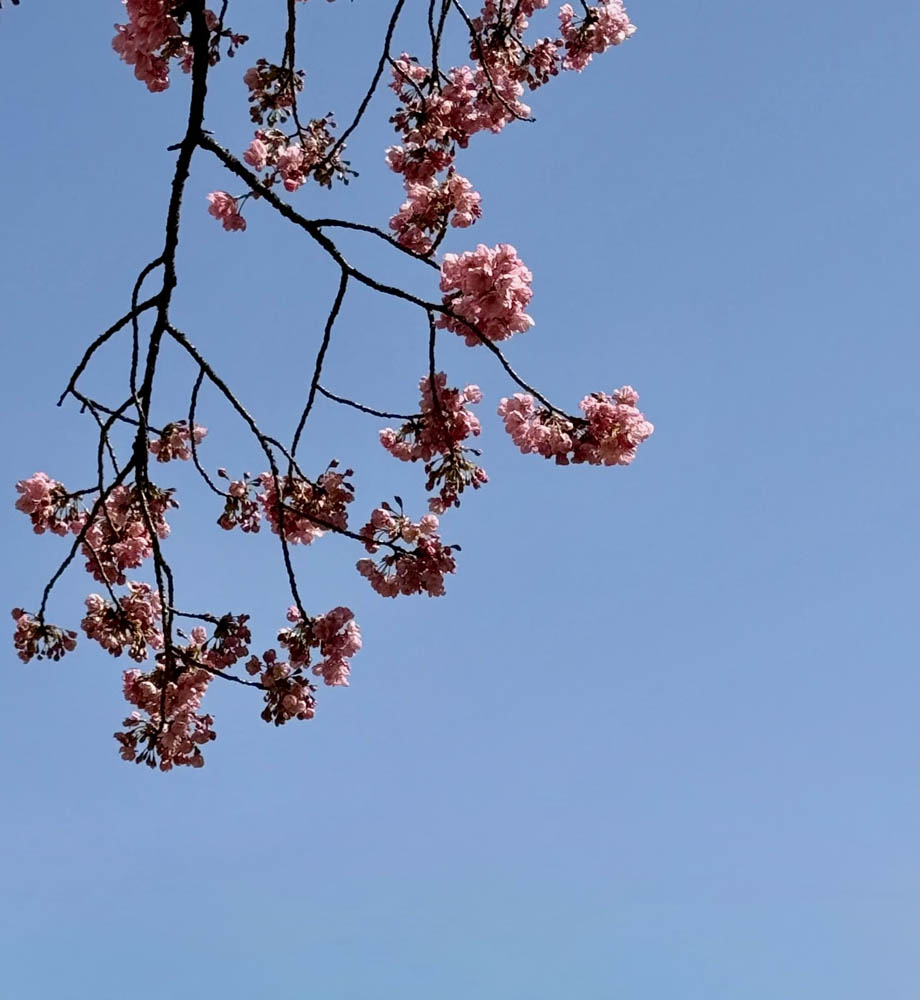
We were also, as it turned out, extraordinarily lucky with timing. Tokyo in mid-March sits on the cusp of something the Japanese anticipate with a reverence that borders on devotion, and as we made our way through the city in those final days, the first pale blush of sakura had begun to appear. Not the full, extravagant spectacle that would arrive weeks later — just the earliest, most tentative suggestion of blossom. Enough to understand, immediately and completely, why an entire nation stops what it is doing to pay attention. It felt less like a coincidence and more like a parting gift from a country that had been quietly generous with us from the very first morning.
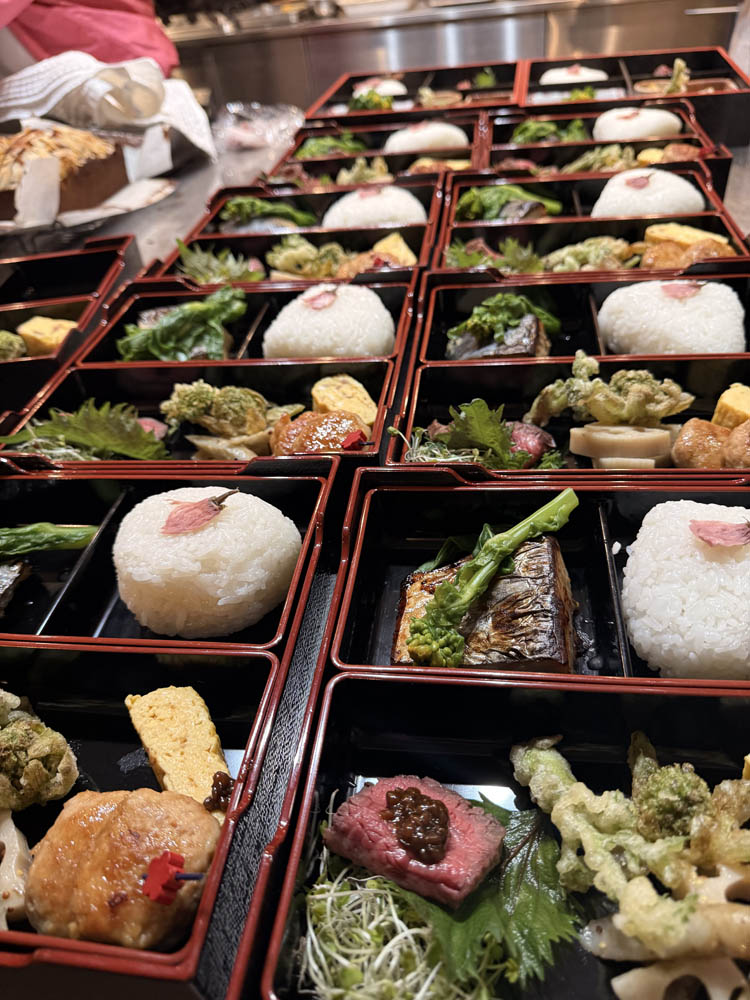
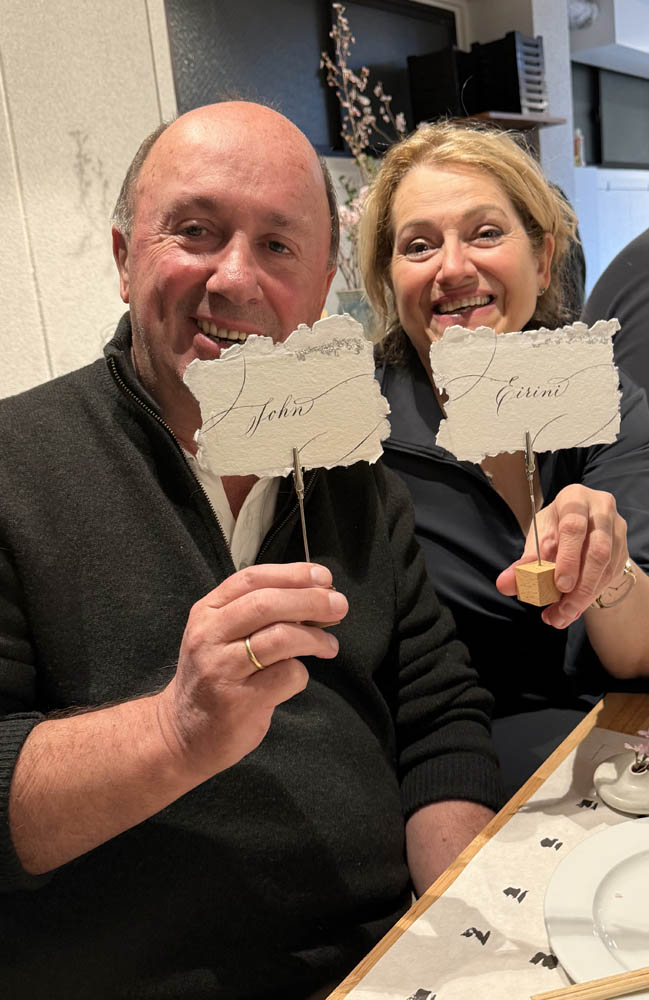
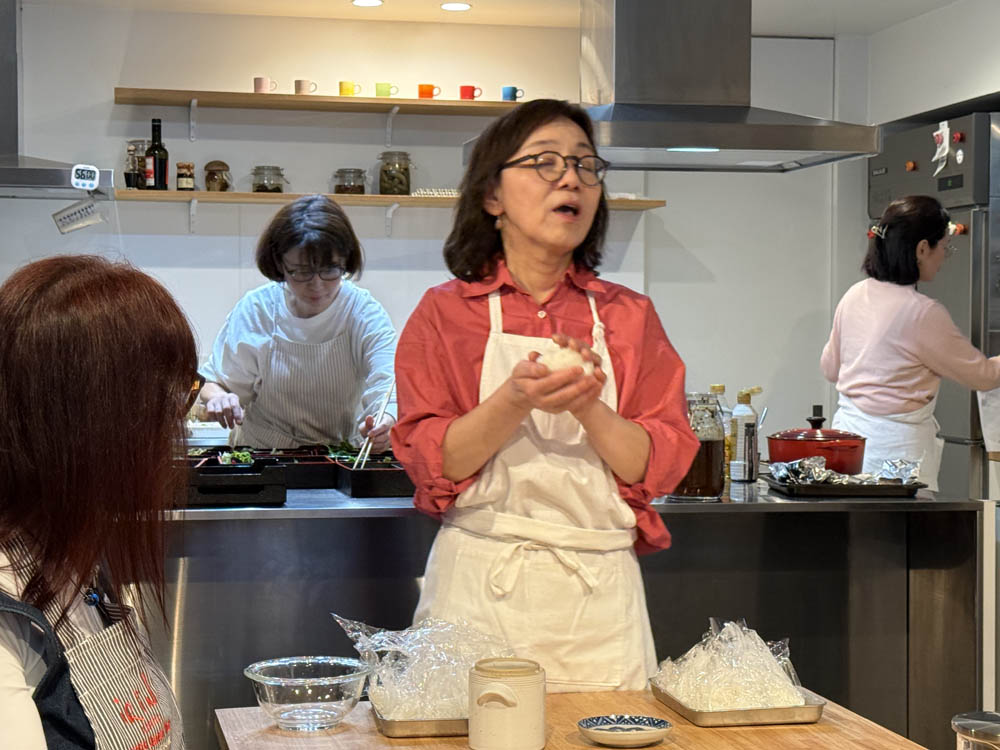
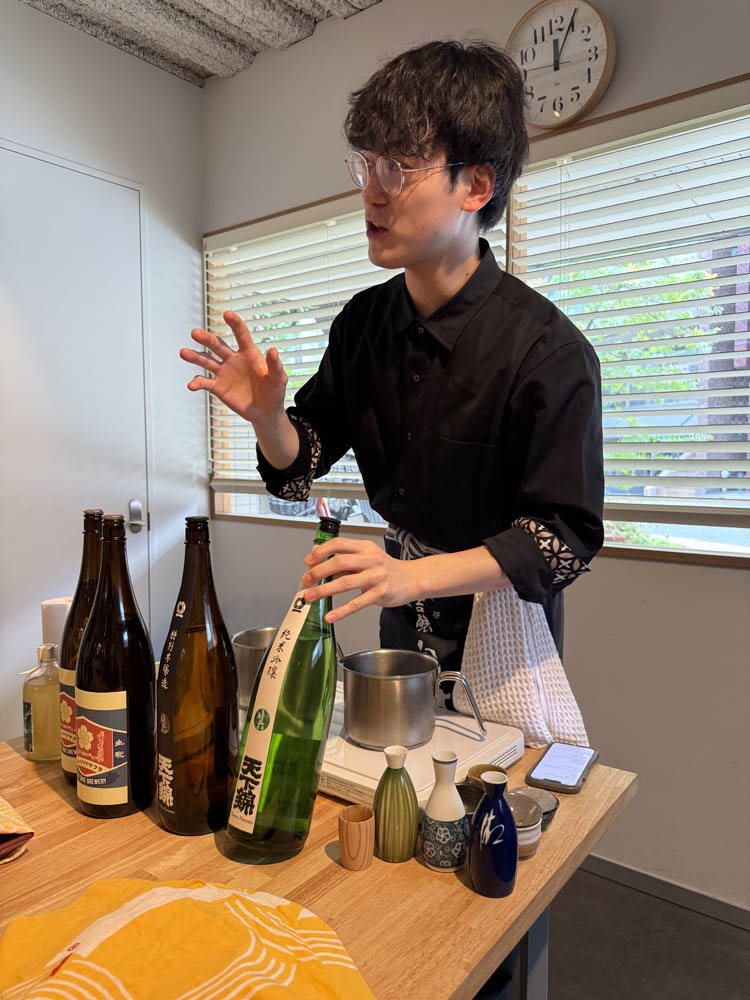
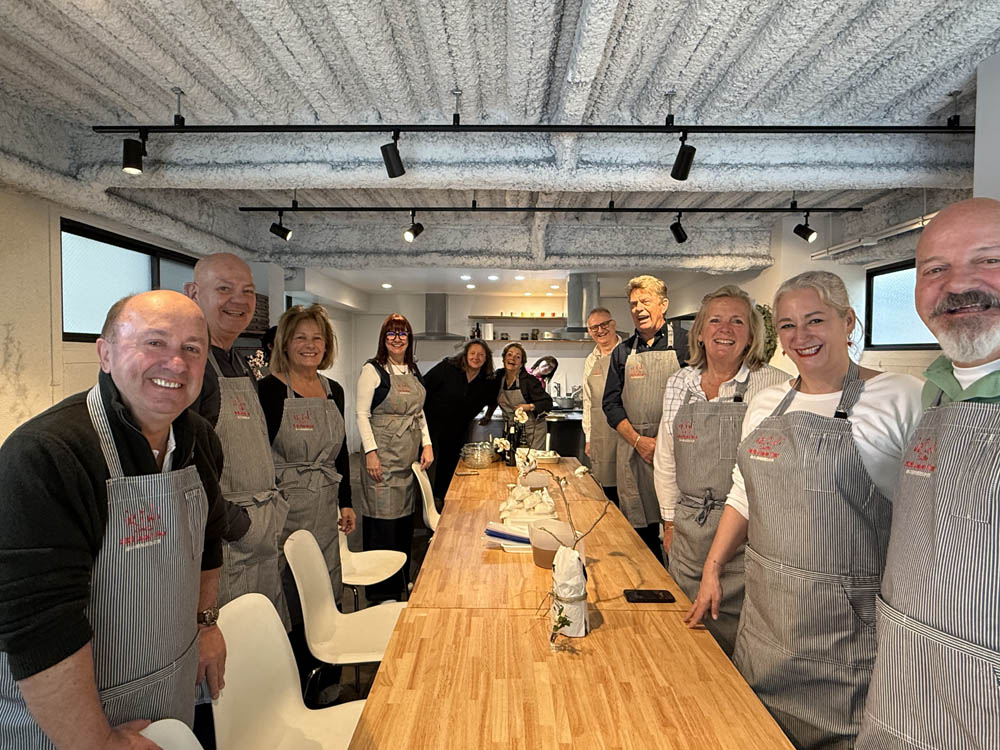
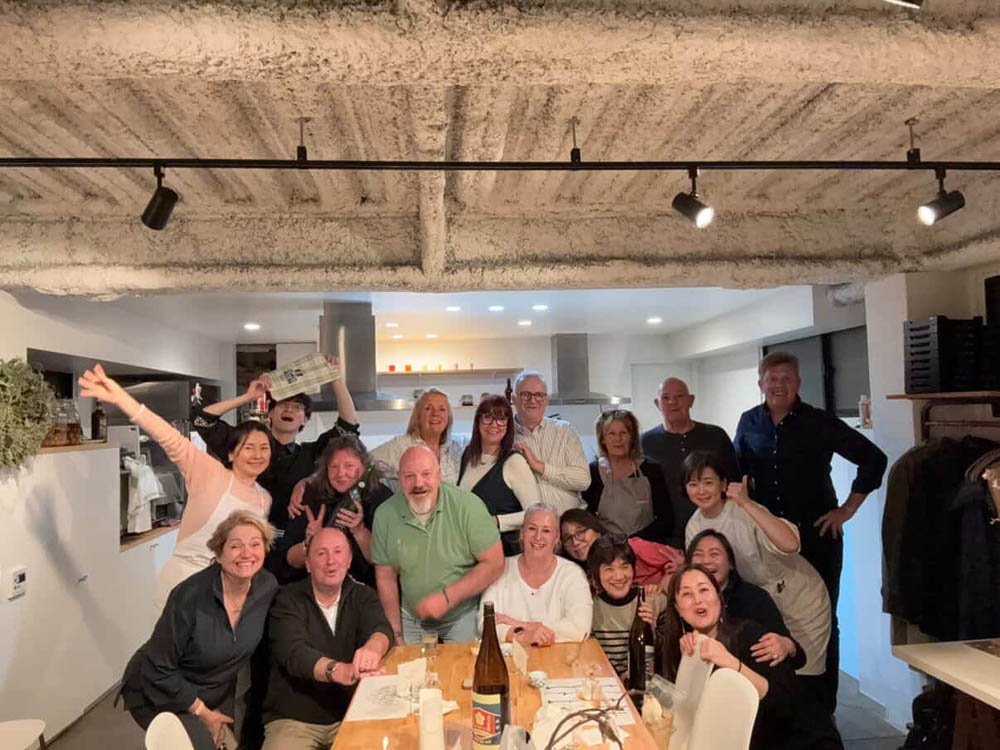
The last full day was spent in Chef Junko Ueda’s studio. We made our own miso — packed securely for the journey home, to be matured for six months before use. Junko prepared a hanami bento lunch, the style of lunchbox the Japanese take to cherry blossom viewings. Afterwards: a cookery demonstration, a Japanese tea and sake tasting led by Junko’s son — a sake sommelier — and a celebratory final meal with table decoration by Mina Usui, the Kyoto flower artist who had opened the trip in that tea house garden ten days earlier. The people who welcomed us at the beginning were still there at the end. That felt exactly right.
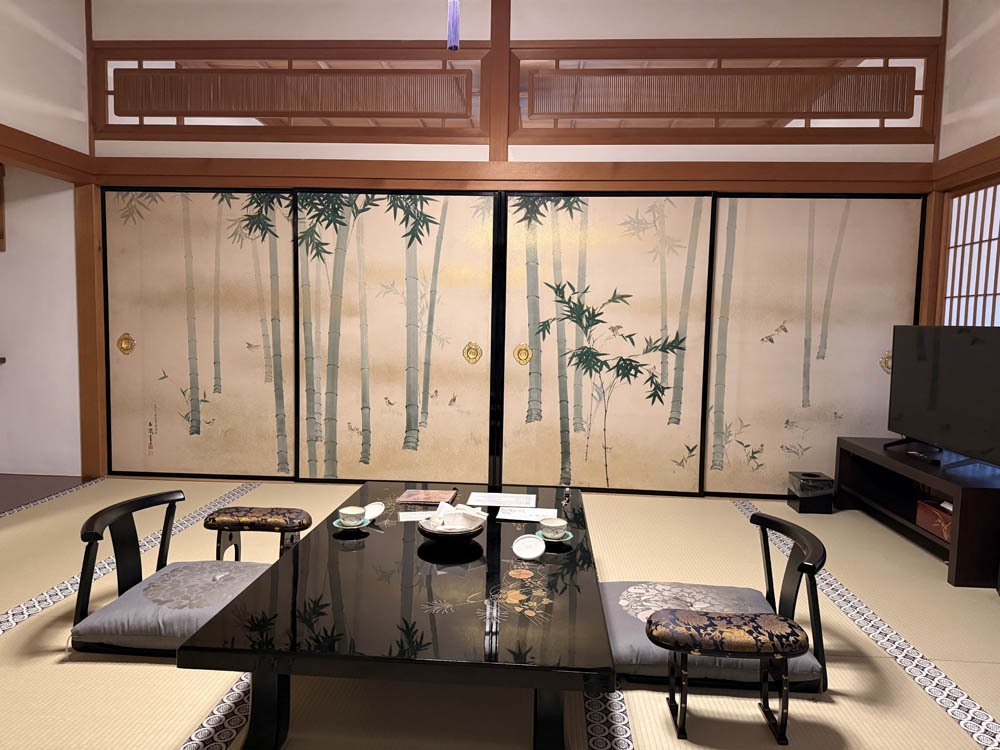
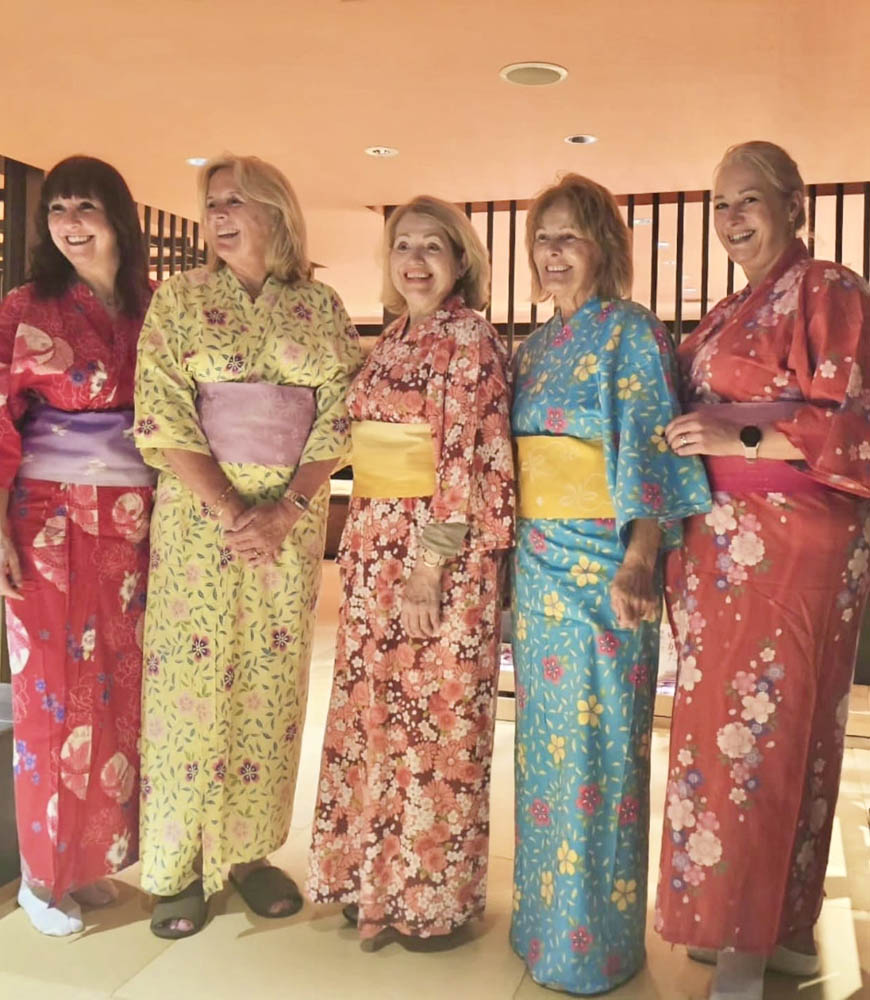
And then — because Japan apparently wasn’t done with us — our final evening brought a private booking at a stunning sky bar, where we were served two cocktails designed specifically for our group, before moving to our own private dining room for a sukiyaki Wagyu beef dinner. It was, by any measure, a very good way to finish. Particularly the moment when, inspired by the cushioned tatami floor beneath our bare feet, one of our guests and I re-enacted the famous dance scene from Pulp Fiction. I will say no more on the matter, except that there is photographic evidence, and I am carefully considering my options.
But the honest truth is that the feeling of wanting to return had arrived long before that final evening. Somewhere between the standing sake bar in Akashi and the snowshoe walk in Niseko, it had quietly settled in. By Tokyo, it was simply a fact.
Japan is not a destination that overwhelms you into submission. It draws you in steadily, through an accumulation of small things done exceptionally well — and before you have quite realised it, you have already decided to come back.
None of this happened by accident.
The journey you have just read about was more than a year in the making. Kirstie Sobue — our essential guide and collaborator on the ground in Japan — spent months doing what no travel agent or tour operator could do: visiting locations in person, meeting every single contributor, building the relationships that make the difference between a good trip and an unforgettable one. Before any of us boarded a plane, Kirstie had already done the quiet, unglamorous work — the recces, the conversations, the endless details that never appear in a brochure but underpin everything that does.
We also held a Zoom call with every collaborator before departure — Kirstie, Junko, Atsuko, Mina — so that nothing was left to chance. By the time we arrived, these were not strangers. They knew who we were, what we cared about, and what we hoped to take home.
Junko Ueda — TV chef, food writer, and a woman who grew up in Akashi — was with us for two full days, sharing the places and people she knows intimately. Atsuko Tamura, stylist and creative director, brought a layer of aesthetic understanding that is difficult to articulate but impossible to miss. And Mina Usui wove herself through the entire journey, from that first unhurried Kyoto morning to the final dressed table in Tokyo.
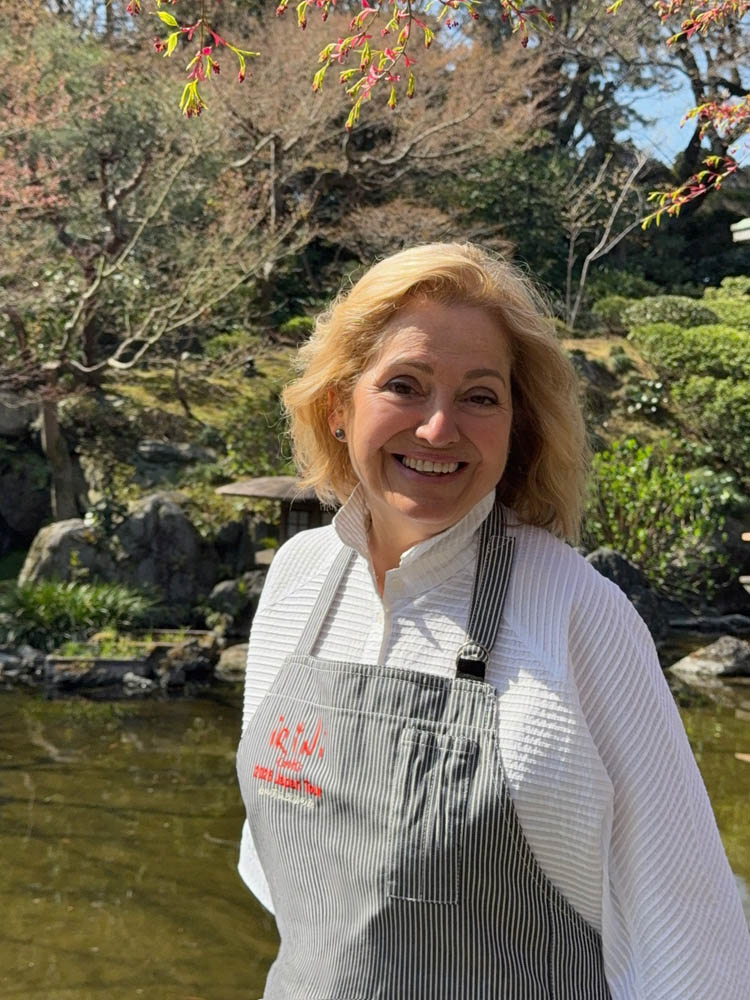
Along the way, there were gifts. Pre-paid metro cards. Water bottles, umbrellas, beautifully made aprons. Handmade pouches containing thoughtful essentials. Kirstie’s homemade plum wine. Antique sake glasses. And a personal name stamp for each of us — a detail so quietly considered that it still makes me smile. Every one of these things was a small act of nurture, and together they created something that felt less like a retreat and more like being genuinely looked after.
This is what I mean when I talk about experience over itinerary. The places matter enormously — but it is the people who open the doors, share their knowledge, and invite you properly in who make a journey worth repeating.
As for what comes next — Japan, it turns out, is not finished with us either.
It began, as the best things often do, organically. Towards the end of the trip, a phrase started surfacing quietly around the group — unprompted, unrehearsed. This was the best trip I have ever been on. Not once. Several times. From different people, on different days, in different contexts. By the time we sat down together for that final Wagyu dinner, with the lights of Tokyo spread out below us, it had become something close to a consensus.
And so, somewhere between the sukiyaki and the sake, it became official. I found myself mandated — by the group, with Kirstie’s full co-conspiracy — to begin planning a return journey for 2028. Same people, same spirit, entirely different Japan. Because that is the thing about this country that most visitors never quite reckon with: its sheer scale and variety. We covered ground, yes. We ate and drank and learned and laughed and danced rather badly on tatami floors. And still we barely scratched the surface. There is another Japan waiting — different coastlines, different seasons, different doors to knock on and be welcomed through.
Kirstie is already thinking. So am I.
And in the words of one of our guests — a woman who meets every new proposition with the same magnificent attitude — when the idea of 2028 was floated across the dinner table, she didn’t hesitate for a second.
Challenge accepted.